
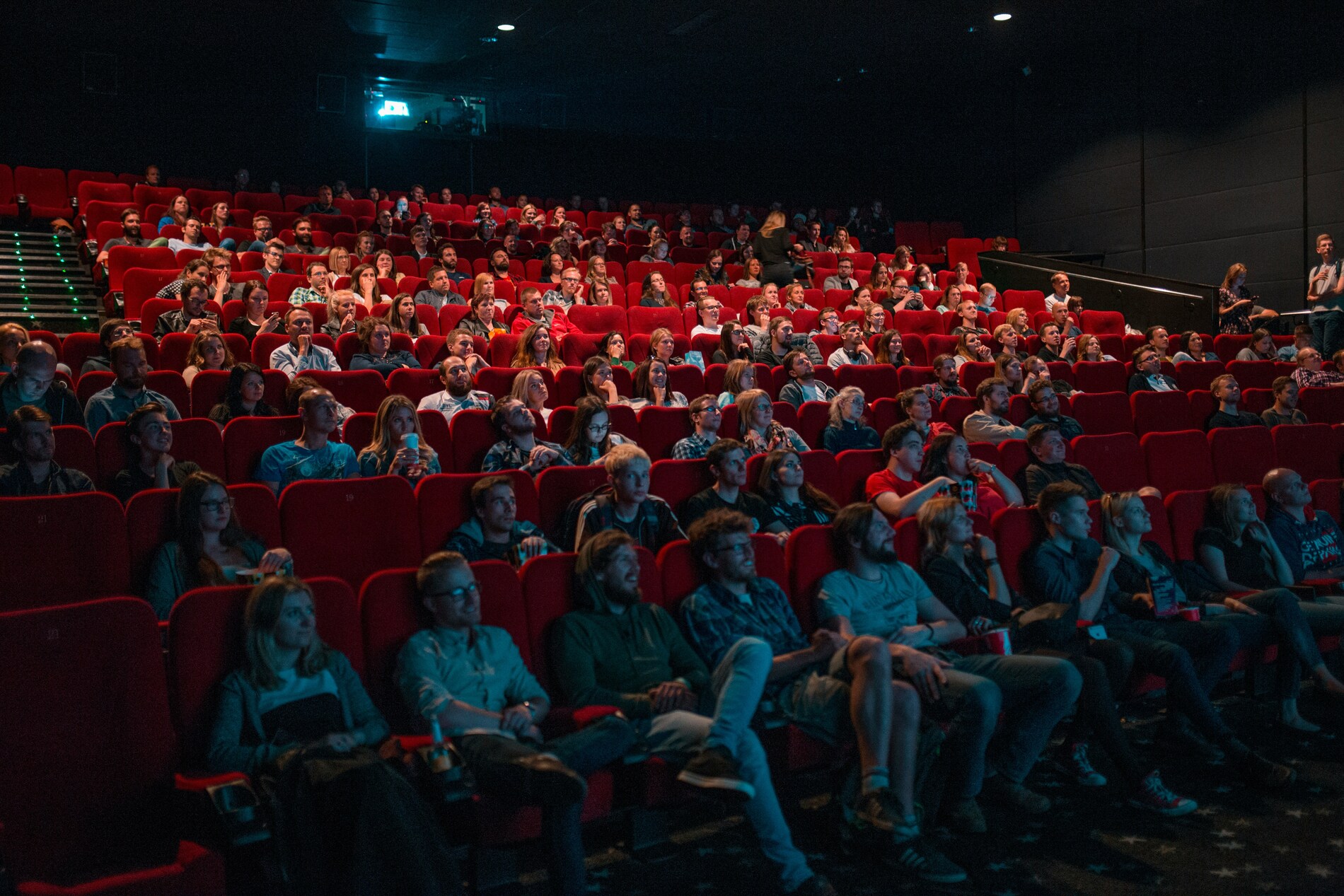
Independent cinema is gaining recognition worldwide as a powerful force for inclusion, creativity, and cultural dialogue. Prioritizing diverse voices and stories has allowed filmmakers to reshape the industry and offer audiences fresh perspectives that challenge stereotypes and celebrate human complexity. This movement is not only revitalizing film culture but also strengthening the role of cinema as a tool for social progress.
One of the most significant contributions of independent cinema is its commitment to representation. Films such as Moonlight by Barry Jenkins, which explores identity and race through the life of a young African American man, and The Farewell by Lulu Wang, which highlights cultural differences and family bonds within the Chinese-American experience, bring overlooked narratives to the forefront. These works demonstrate how independent cinema amplifies voices that mainstream productions often neglect.
Film festivals have become vital platforms for this diversity. At Sundance, productions like Minari showcased the struggles and triumphs of a Korean-American family, while Berlinale highlighted films such as System Crasher, which addressed childhood trauma with sensitivity and depth. These festivals provide visibility to emerging talent and encourage dialogue between cultures, reinforcing the idea that cinema can unite people across borders.
Streaming services are amplifying the reach of independent films. Platforms have given global audiences access to titles like Roma by Alfonso Cuarón, which portrays domestic workers in Mexico with dignity and nuance, and Pariah by Dee Rees, which explores sexuality and acceptance in African American communities. This accessibility ensures that independent cinema is no longer confined to niche audiences but is becoming part of mainstream cultural consumption.
The economic impact of diversity in independent cinema is notable. Films such as Everything Everywhere All at Once, produced outside the traditional studio system, achieved both critical acclaim and commercial success, proving that diverse storytelling can resonate widely. Local communities benefit from productions that highlight their traditions and landscapes, while global recognition opens opportunities for collaboration and investment.
Independent cinema also plays a crucial role in education and awareness. Documentaries like Crip Camp, which explores the disability rights movement, and Honeyland, which follows a beekeeper in North Macedonia, inspire reflection and encourage action. These films reinforce the connection between art and social responsibility, showing how cinema can spark meaningful change.
Independent cinema is proving that diversity is not only a moral imperative but also a source of creativity and innovation. By embracing varied perspectives, the industry is expanding its horizons and enriching global culture. These films remind audiences that storytelling is most powerful when it reflects the richness of human experience, offering hope and inspiration for a more inclusive future.
