
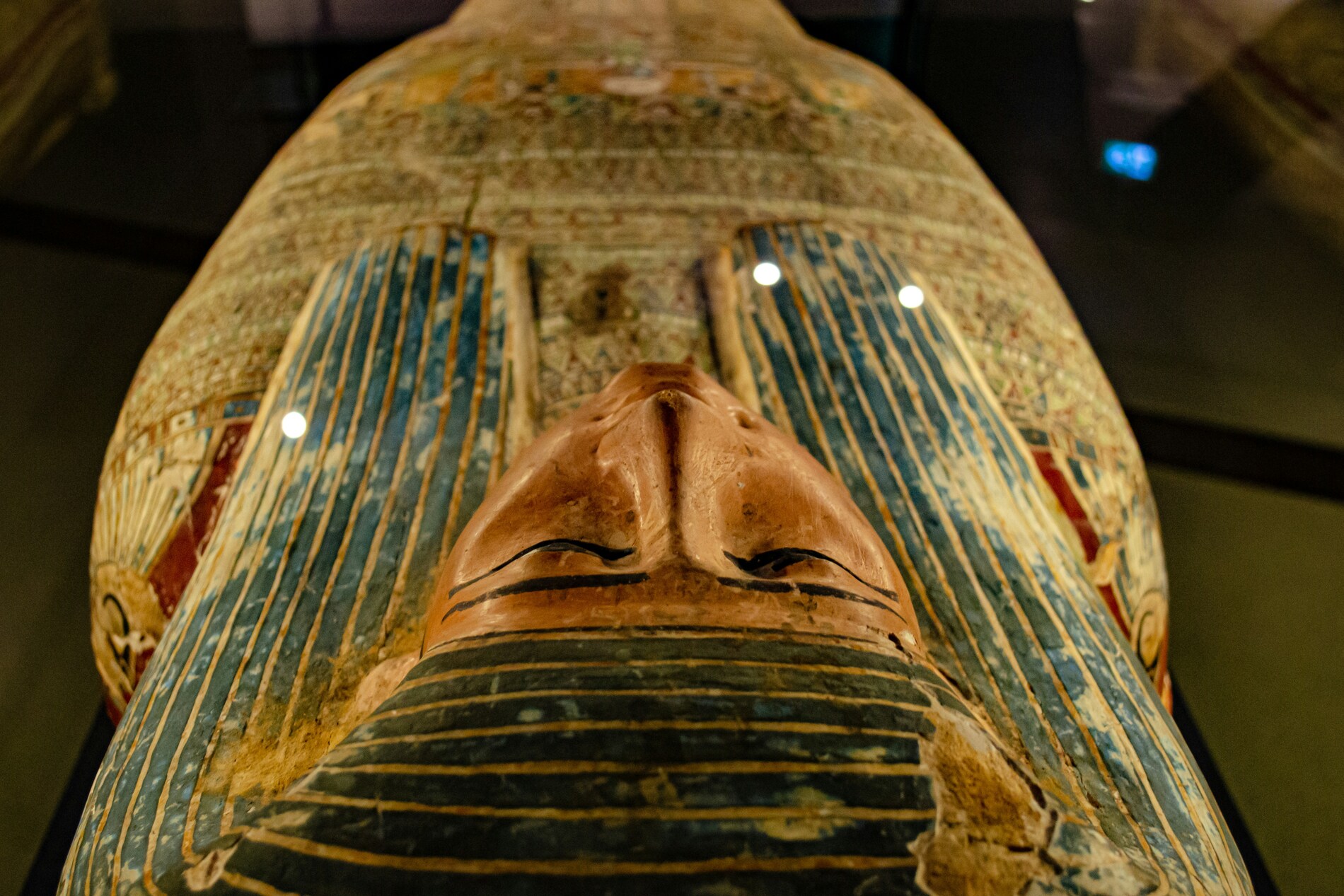
Archaeologists have uncovered a remarkable mummy portrait dating back two millennia, surprising experts with its advanced techniques and lifelike detail. The discovery highlights how ancient cultures were capable of artistic innovation that anticipated methods used centuries later, offering a positive reminder of humanity’s enduring creativity and vision.
The portrait, found in Egypt, belongs to the tradition of funerary art that sought to preserve the identity of the deceased. What makes this piece extraordinary is its sophisticated execution. Researchers note that the artist employed shading, perspective, and color blending in ways that resemble Renaissance practices, suggesting that ancient artisans were experimenting with visual depth long before such techniques became widespread.
The painting’s realism is striking. The subject’s facial features are rendered with precision, capturing individuality rather than generic representation. This level of detail reflects not only technical skill but also cultural values that emphasize memory, identity, and continuity. The portrait demonstrates how art served as a bridge between life and death, ensuring that the essence of the person endured.
From a technological perspective, the materials used reveal innovation. Pigments derived from natural sources were applied with remarkable stability, allowing the portrait to survive for centuries. The durability of the work underscores the advanced knowledge of chemistry and craftsmanship in ancient societies. This resilience offers modern researchers insights into sustainable artistic practices that remain relevant today.
The discovery also carries social significance. It illustrates the interconnectedness of cultures, as Egyptian art absorbed influences from Greek and Roman traditions during the period. The blending of styles created a unique visual language that enriched global heritage. This cultural exchange demonstrates how diversity has always been a driver of creativity and progress.
Economically, the portrait adds value to the study of ancient art markets. Commissioning such works required resources, indicating that families invested in preserving memory through artistry. This practice highlights art’s role as both a cultural and an economic asset, reinforcing its importance across generations.
For contemporary audiences, the portrait is more than an archaeological artifact; it is a source of inspiration. It shows that innovation is not confined to modern times but is part of a long continuum of human ingenuity. The ability of ancient artists to anticipate techniques that would later define Western art history reflects the universality of creativity.
Ultimately, the 2,000-year-old mummy portrait is a testament to the brilliance of ancient artisans. Its discovery enriches our understanding of cultural heritage, reminding us that art has always been a powerful expression of identity, memory, and progress. Far from being relics of the past, such works continue to inspire and connect us to the timeless pursuit of beauty and meaning.
