
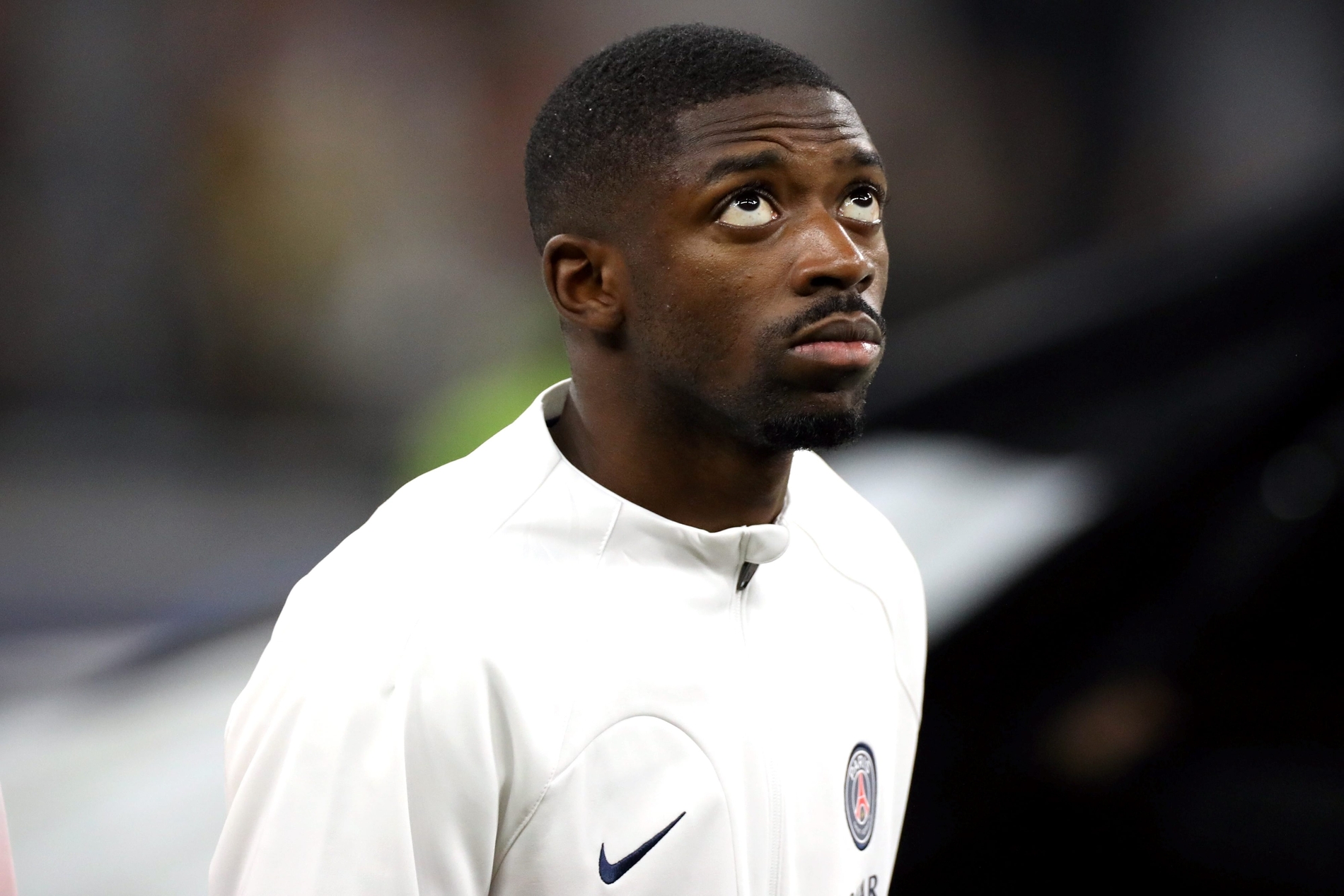
French star Ousmane Dembélé’s rise to the summit of world soccer has been as much about character as it has been about skill, according to observers who tracked his development from a promising teenager in France to the player recently voted the world’s best by a large panel of experts. The story of his progression, which began when he was identified as a standout prospect in 2014, underlines how attributes beyond raw technique, resilience, adaptability, decision-making, creativity, work ethic and an appetite for learning, can shape a career that ultimately reaches the highest level.
Scouts and coaches who followed Dembélé early on say those less visible traits were evident long before he became a household name. At Rennes he was a teenager with obvious talent but also with a mindset that suggested he could grow into something more. Eleven years after being singled out as one to watch, he has delivered on that early promise, culminating in a season in which his performances for Paris Saint-Germain helped the club secure major honors and earned him top recognition from a 219-strong voting panel.
The defining image for many came in the past Champions League final, where Dembélé’s contribution was not limited to goals or flashy moments but included a concentrated, almost understated intensity on the edge of the opposition box — a posture that reflected his readiness to press, to read the game and to influence play in subtle ways. That composure and focus are the product of a long, non-linear journey that has included both rapid success and difficult periods.
Dembélé’s early career featured immediate impact: he won France’s young player of the year in his first professional season and played a key role in Borussia Dortmund’s German Cup triumph. At Dortmund, former coach Thomas Tuchel categorized players by their core motivations and identified Dembélé as the kind who thrives on curiosity and exploration — a profile that, Tuchel believed, required a particular coaching approach to unlock the player’s full potential.
A high-profile transfer to FC Barcelona in 2017 coincided with managerial upheaval and a run of injuries that limited his appearances and left many questioning whether his talent would be fully realized. Those years, however, did not mark the end of his development; instead, they became a chapter in a longer narrative of reinvention. Since joining Paris Saint-Germain, Dembélé has demonstrated a renewed consistency and an expanded tactical intelligence, often dropping deep to draw defenders out of position before delivering decisive passes or timing runs into the box to finish.
Coaches and analysts say Dembélé’s evolution illustrates a broader truth about elite sport: technical ability is essential, but the invisible elements — the chemistry within a squad, the fit with a coach’s system and the personal qualities that sustain improvement — are often decisive. His recent accolade is being read not only as recognition of his goals and trophies but as a tribute to the curiosity, resilience and dedication that have carried him from promising youngster to one of the game’s leading figures.
