
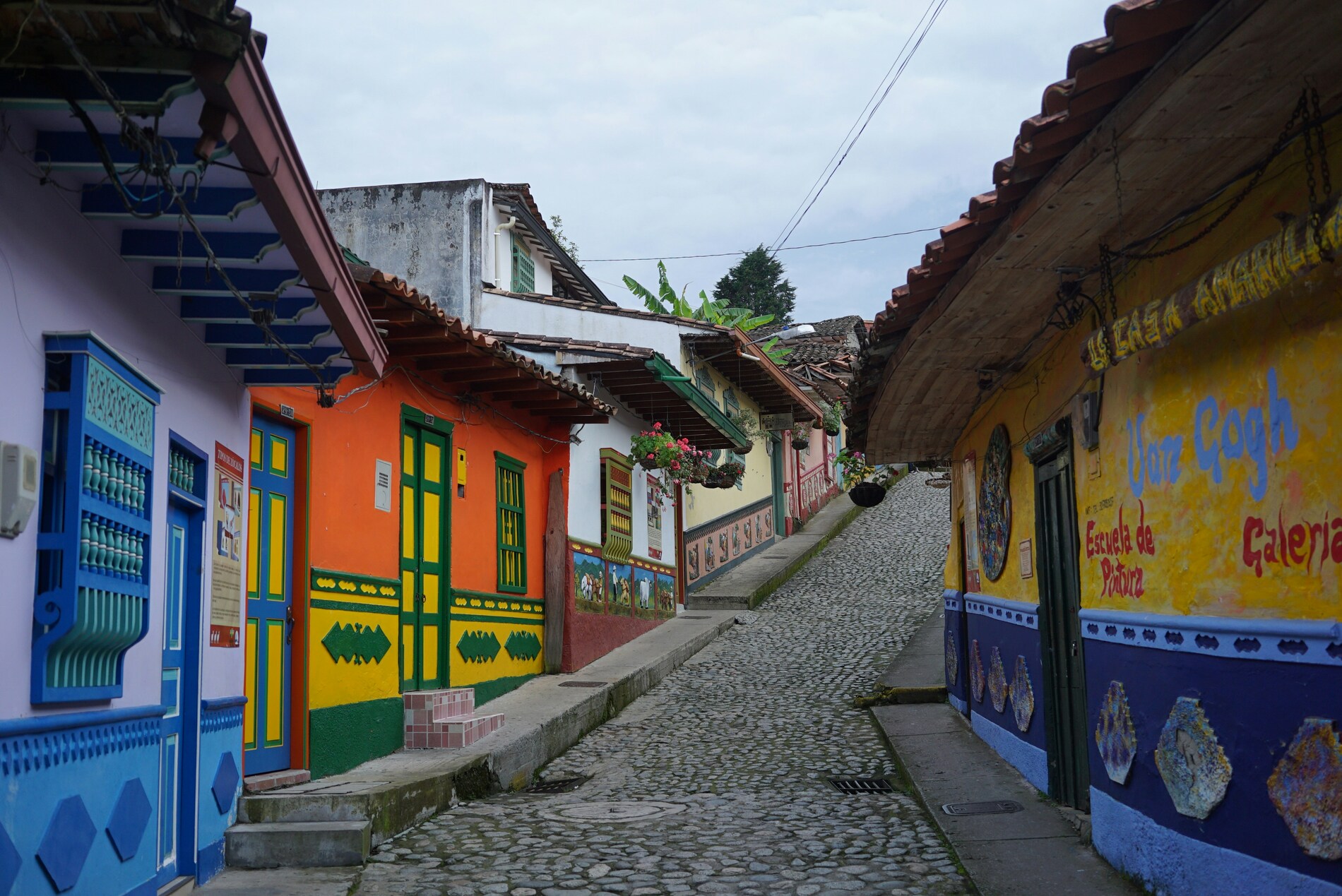
A growing number of initiatives have emerged across Latin America to promote responsible and culturally immersive tourism, aiming to protect heritage, empower local communities, and reshape the travel experience. From indigenous-led ecotours to government-backed cultural routes, these efforts reflect a broader shift toward sustainability and authenticity in the tourism sector.
One standout example is Colombia’s “Turismo Comunitario” program, which supports rural and indigenous communities in developing tourism projects rooted in local traditions. Visitors are invited to participate in ancestral crafts, culinary workshops, and nature walks guided by community members. The initiative not only diversifies Colombia’s tourism offer but also channels economic benefits directly to underserved regions.
In Mexico, the “Pueblos Mágicos” initiative continues to evolve, spotlighting towns with rich cultural, historical, or natural significance. Recent updates to the program include stricter sustainability criteria and increased funding for infrastructure that preserves local identity. According to the Secretariat of Tourism, over 130 towns now participate, drawing both domestic and international travelers seeking deeper cultural connections.
Meanwhile, Peru has expanded its “Red de Turismo Rural Comunitario,” a network of community-based tourism experiences that prioritize environmental stewardship and cultural exchange. In the Andean highlands, travelers can stay with Quechua-speaking families, learn traditional farming techniques, and explore sacred sites with local guides. The model has garnered international recognition for its contributions to preserving intangible heritage while promoting inclusive development.
Private sector actors are also stepping up. In Argentina, travel startups like “Rutopia” and “Mater Sustentable” are designing tailor-made itineraries that emphasize low-impact travel, fair trade, and intercultural dialogue. These platforms collaborate closely with local hosts, ensuring that tourism revenue supports grassroots initiatives and avoids extractive practices.
While ethical travel continues to gain popularity, several challenges persist. Many destinations still struggle to convey their cultural and environmental values to visitors effectively, and traveler awareness of responsible practices remains uneven. However, emerging initiatives are paving the way for a more conscious tourism model, one that fosters cultural revitalization, supports local communities, and prioritizes environmental stewardship.
Regional cooperation is also gaining momentum. In 2025, the Latin American Alliance for Responsible Tourism will launch a cross-border campaign to promote best practices and share success stories. The campaign will feature digital storytelling, training for local entrepreneurs, and a certification system for culturally respectful travel experiences.
As travelers increasingly seek meaning over mass consumption, these initiatives offer a blueprint for tourism that celebrates diversity, protects ecosystems, and uplifts communities. The road ahead may be complex, but the movement is clear: responsible and cultural tourism are no longer a niche; they are becoming the new norm.
