
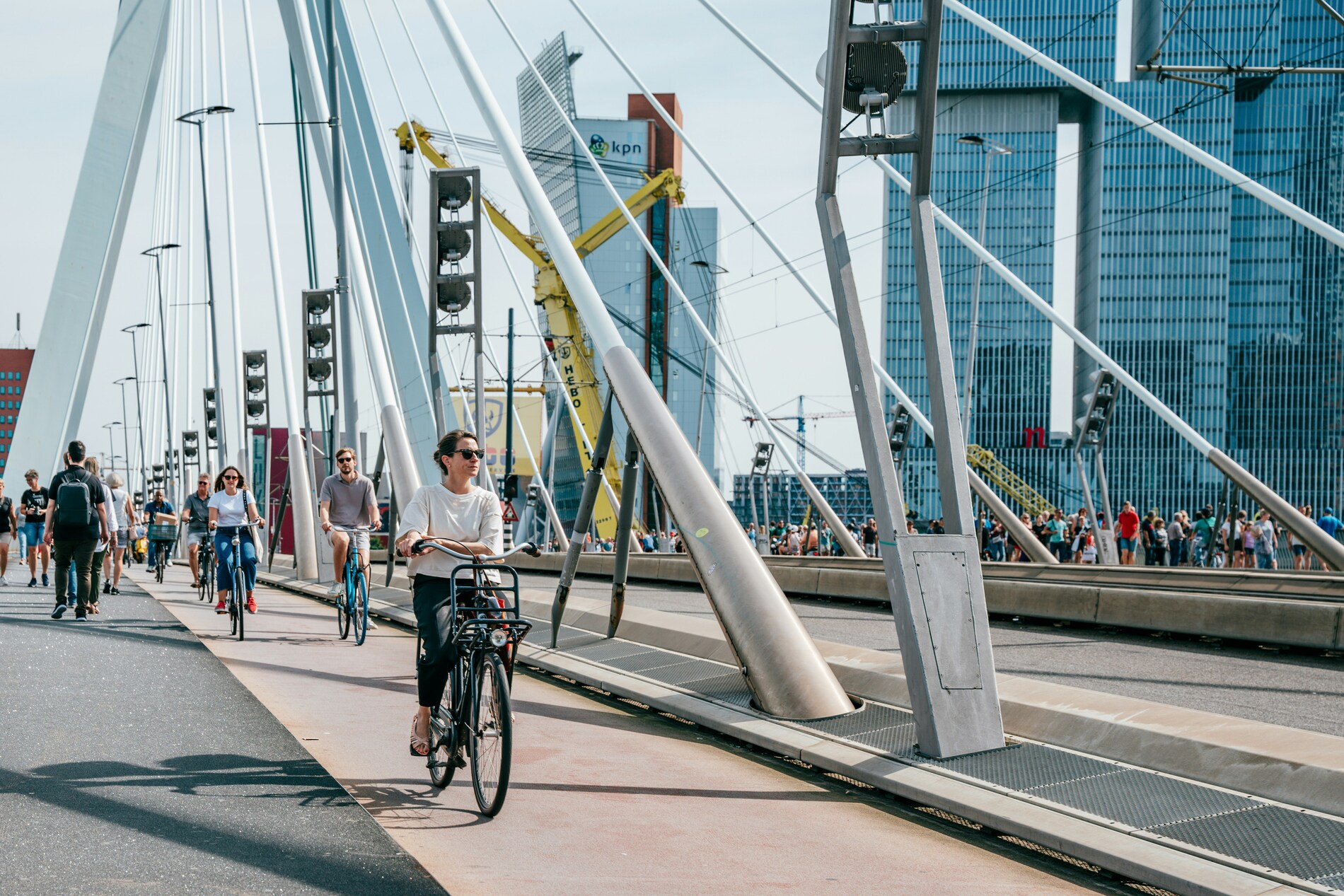
Urban planning is embracing a transformative model known as the 15-minute city, in which residents can access essential services within a short walk or bike ride from home. This approach is reshaping neighborhoods worldwide, reducing reliance on automobiles and creating healthier, more sustainable communities.
Paris has become a leading example of this vision. As part of its urban renewal projects, the city has expanded bike lanes, redesigned public spaces, and encouraged mixed-use development. Schools, shops, healthcare facilities, and cultural venues are increasingly integrated into local neighborhoods, allowing residents to meet daily needs without long commutes. The result is a city that is more connected, vibrant, and environmentally responsible.
In Barcelona, the introduction of superblocks has demonstrated how limiting car traffic can revitalize urban life. Streets within these zones prioritize pedestrians and cyclists, while green areas and playgrounds replace parking spaces. Residents report improved air quality, reduced noise, and stronger community ties. The success of superblocks has inspired other cities to adopt similar models, proving that car-free living can be both practical and enjoyable.
Portland, United States, has also embraced the 15-minute city concept. Investments in cycling infrastructure, local markets, and community hubs have reduced car dependence while supporting local businesses. The city’s emphasis on accessibility and sustainability has positioned it as a model for North American urban development.
Economically, these initiatives are proving beneficial. By reducing traffic congestion and pollution, cities save on healthcare costs and infrastructure maintenance. Local businesses thrive as residents shop closer to home. At the same time, property values rise in neighborhoods that prioritize walkability and green spaces. This synergy between economic growth and sustainability reinforces the value of the 15-minute city model.
Socially, the impact is equally significant. Communities become more inclusive when services are accessible to all, regardless of age or mobility. Public spaces encourage interaction, strengthening social bonds and fostering a sense of belonging. The reduction in car traffic also enhances safety, making neighborhoods more welcoming for families and children.
Technology supports these transformations. Smart mobility apps, shared bicycles, and electric scooters provide alternatives to car use. At the same time, digital platforms help residents locate nearby services. These innovations ensure that convenience and sustainability go hand in hand.
The success of 15-minute cities reflects a positive vision of urban life. These cities are reducing dependence on automobiles, and making their neighborhoods healthier, greener, and more connected. The model demonstrates that cities can be designed not only for efficiency but also for human well-being, offering a blueprint for communities worldwide to build sustainable and inclusive futures.
