
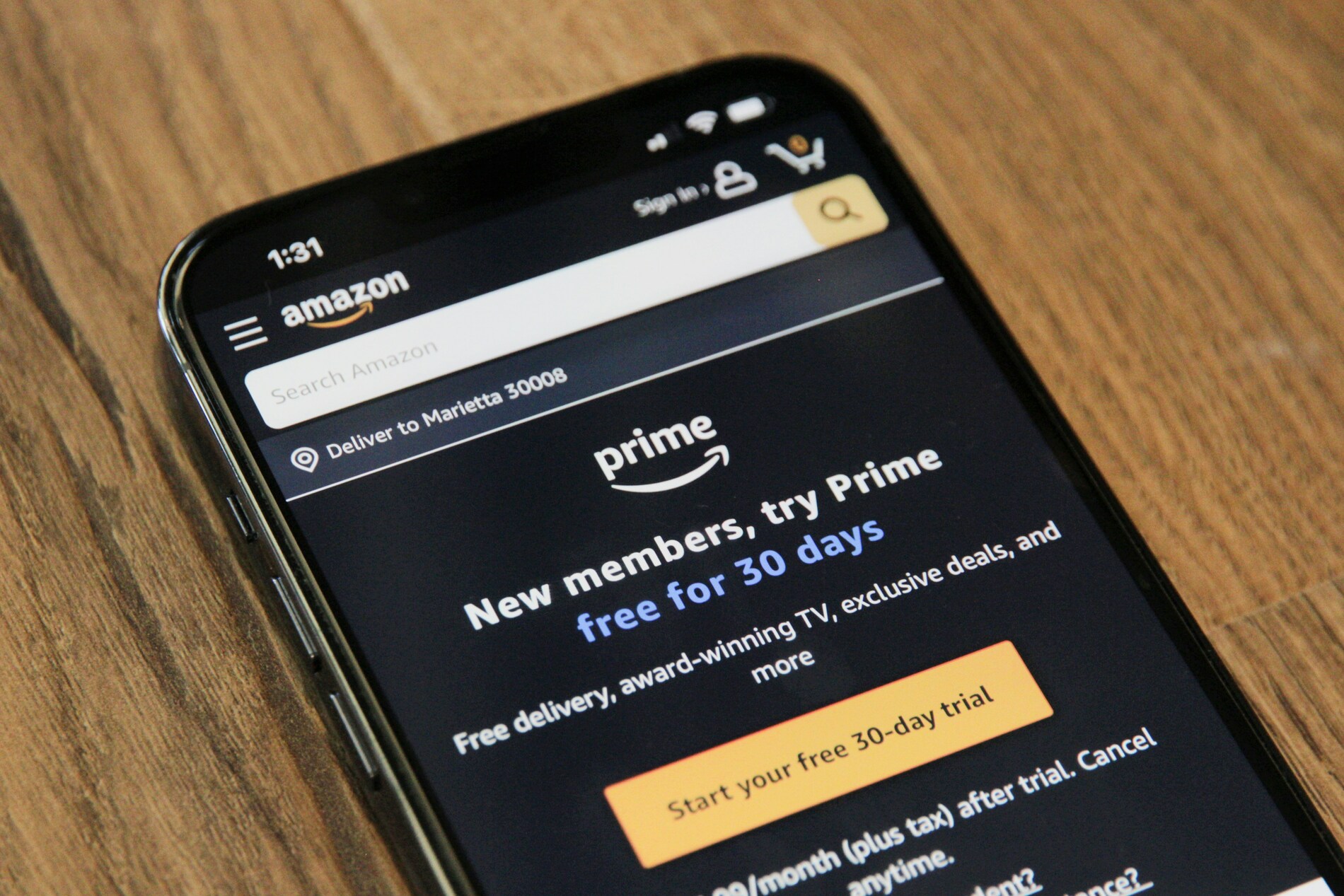
The subscription economy, once primarily associated with digital services and software, is now reshaping consumer habits across a wide range of industries. The model of “pay per use” is extending into household appliances, mobility solutions, and everyday products, offering flexibility, affordability, and innovation for modern lifestyles.
One of the most visible transformations is occurring in the home. Companies are introducing subscription-based access to appliances such as washing machines, refrigerators, and coffee makers. Instead of purchasing these items outright, consumers can pay a monthly fee that covers usage, maintenance, and upgrades. This approach reduces upfront costs and ensures that households always have access to the latest technology without the burden of ownership.
The benefits extend beyond convenience. Subscription models encourage sustainability by promoting repair and reuse rather than disposal. Appliances are maintained and updated regularly, reducing waste and extending product lifecycles. This shift aligns with global efforts to minimize environmental impact, demonstrating how business innovation can support ecological responsibility.
Mobility services are also embracing the subscription economy. Car manufacturers and bike-sharing companies are offering flexible plans that allow users to access vehicles without long-term commitments. These services provide freedom of choice, enabling consumers to adapt transportation options to their changing needs. The result is a more efficient use of resources and greater accessibility for diverse communities.
Technology remains at the heart of this expansion. Smart platforms track usage, monitor performance, and provide personalized recommendations, ensuring that consumers maximize the value of their subscriptions. Artificial intelligence and data analytics help companies tailor services to individual preferences, reinforcing the sense of customization and control.
The economic impact is significant. Subscription models create steady revenue streams for businesses while lowering barriers for consumers. Small and medium-sized enterprises benefit from predictable income, while customers enjoy access to products and services that might otherwise be unaffordable. This dynamic fosters innovation and competition, strengthening markets and encouraging new entrants.
Cultural acceptance of subscriptions is growing rapidly. Streaming services and software platforms paved the way, familiarizing consumers with the concept of paying for access rather than ownership. As the model expands into physical goods, it is being embraced as a practical solution for modern living, where flexibility and sustainability are increasingly valued.
The subscription economy is proving to be more than a trend. By extending from software into household appliances and beyond, it is redefining consumption patterns and creating opportunities for businesses and consumers alike. This evolution highlights a positive vision of the future, where access, innovation, and responsibility converge to shape a more adaptable and sustainable society.
