
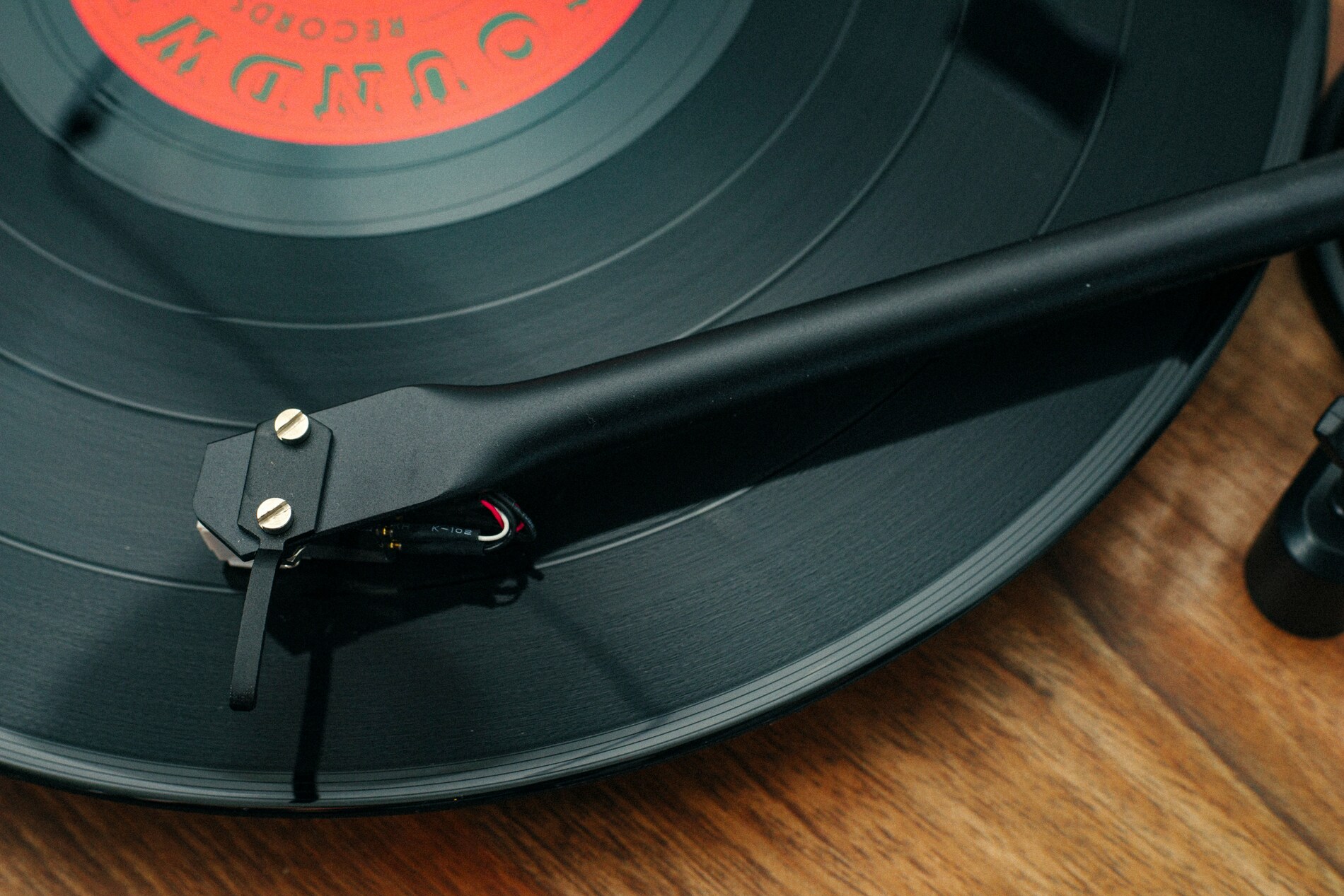
Vinyl records and cassette tapes, once considered relics of the past, are experiencing a remarkable resurgence among younger audiences. Far from being nostalgic curiosities, these formats are becoming symbols of authenticity, creativity, and connection in a digital age dominated by streaming. The revival highlights a growing desire for tangible experiences and a renewed appreciation for the artistry behind physical music.
One of the main drivers of this trend is the search for a deeper connection with music. Digital platforms offer convenience and unlimited access, but physical formats provide a sense of ritual and presence. Placing a record on a turntable or rewinding a cassette creates a tactile experience that enhances listening. For many, these actions transform music consumption into a moment of mindfulness, where sound and object merge into a richer cultural practice.
Vinyl records, in particular, are celebrated for their sound quality. The warmth and depth of analog recordings appeal to listeners who value detail and atmosphere. Collectors enjoy exploring album artwork, liner notes, and limited editions, turning each purchase into a personal treasure. Record stores are thriving once again, becoming community spaces where fans share discoveries and celebrate musical heritage.
Cassettes are also finding their place in contemporary culture. Compact, portable, and often associated with DIY creativity, they resonate with younger generations who embrace individuality. Independent artists and labels are releasing new music on cassette, attracted by its affordability and unique aesthetic. The format’s imperfections, such as tape hiss, are embraced as part of its charm, reinforcing the idea that authenticity matters more than perfection.
The economic impact of this revival is notable. Sales of vinyl records have grown steadily over the past decade, surpassing CDs in several markets. Cassette sales, though smaller, are increasing as niche communities expand. This growth supports independent record stores, small labels, and local artisans who produce accessories and equipment, contributing to the vitality of creative industries.
Socially, the return of physical formats reflects a broader cultural shift. Younger generations are seeking experiences that feel personal and enduring, countering the fleeting nature of digital consumption. Owning a record or cassette creates a sense of belonging and identity, while sharing collections fosters community. The revival is not about rejecting technology but about balancing it with tangible connections.
The resurgence of vinyl and cassette demonstrates that music is more than sound; it is culture, memory, and emotion. When embracing physical formats, new generations are rediscovering the joy of collecting, listening, and sharing in ways that enrich everyday life. This movement signals a positive future where tradition and innovation coexist, ensuring that music continues to inspire across formats and generations.
