
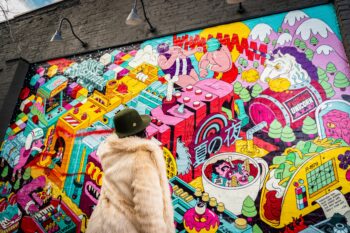
Cities across the globe are witnessing the transformative power of urban art as murals, installations, and creative interventions breathe new life into neglected neighborhoods. What was once marked by decay and abandonment is now being reimagined as vibrant cultural landscapes, where color, creativity, and community engagement converge to spark renewal.
Urban art initiatives often begin with local artists and residents reclaiming walls, alleys, and abandoned buildings. Through bold designs and imaginative storytelling, these projects turn gray facades into canvases that reflect identity, history, and hope. The presence of art not only beautifies spaces but also instills pride among residents, encouraging them to see their surroundings as places of value and possibility.
The social impact of these efforts is profound. Revitalized neighborhoods attract visitors, stimulate local businesses, and foster cultural exchange. Cafés, shops, and community centers thrive as foot traffic increases, while residents benefit from new opportunities for entrepreneurship and collaboration. Urban art catalyzes economic activity, demonstrating that creativity can drive sustainable growth.
Education and inclusion are at the heart of this movement. Many projects involve workshops, youth programs, and community participation, ensuring that residents are not passive observers but active contributors. Children and young people learn about artistic techniques while discovering the importance of civic engagement. These experiences strengthen social bonds and inspire future generations to value creativity as a tool for change.
Urban art also promotes diversity and dialogue. Murals often highlight cultural heritage, celebrate local traditions, and address social themes in ways that invite reflection without confrontation. By representing multiple voices, these artworks create spaces where differences are acknowledged and respected, reinforcing the idea that neighborhoods can be inclusive and welcoming.
Technology is amplifying the reach of urban art. Digital platforms allow artists to share their work globally, connecting communities and inspiring similar initiatives in other cities. Social media campaigns showcase transformations, turning once-forgotten streets into destinations for cultural tourism. This visibility enhances the reputation of neighborhoods and strengthens their role in the broader urban fabric.
Municipal governments are increasingly supporting these projects, recognizing their value in urban planning and development. Investments in murals, festivals, and creative infrastructure demonstrate a commitment to cultural development and social well-being. By integrating art into revitalization strategies, cities are building environments that are not only functional but also inspiring.
Nowadays, urban art is also proving that creativity can be a powerful engine of renewal, transforming previously forgotten spaces into vibrant cultural landmarks. It fosters pride, inclusion, and opportunity. These initiatives show that when communities embrace art, they cultivate resilience and joy, turning neglected neighborhoods into thriving centers of life and imagination.
