
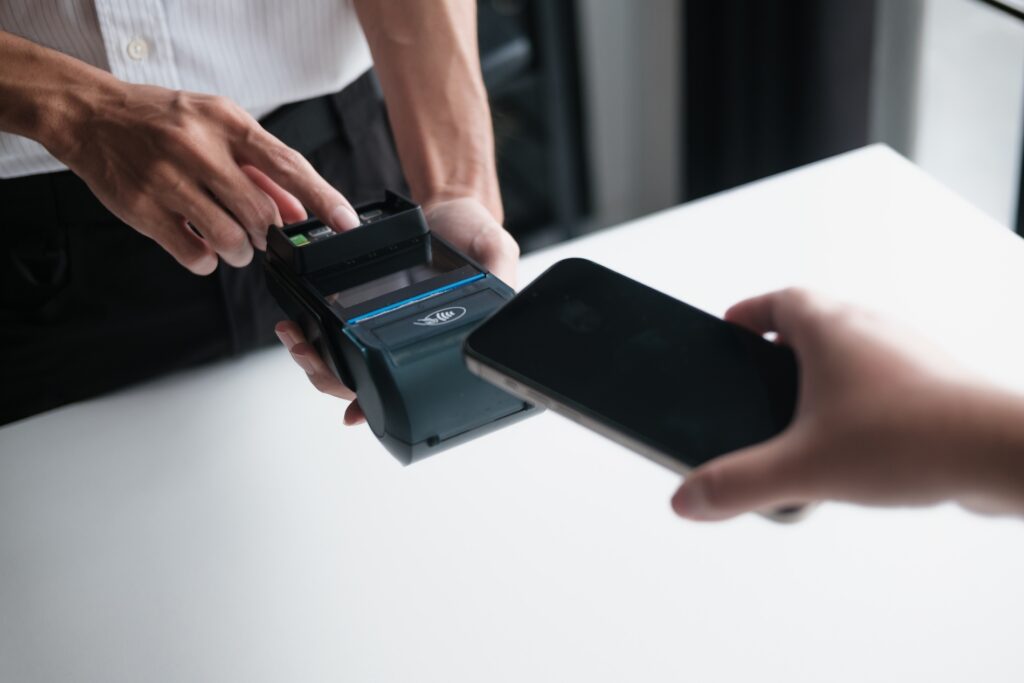
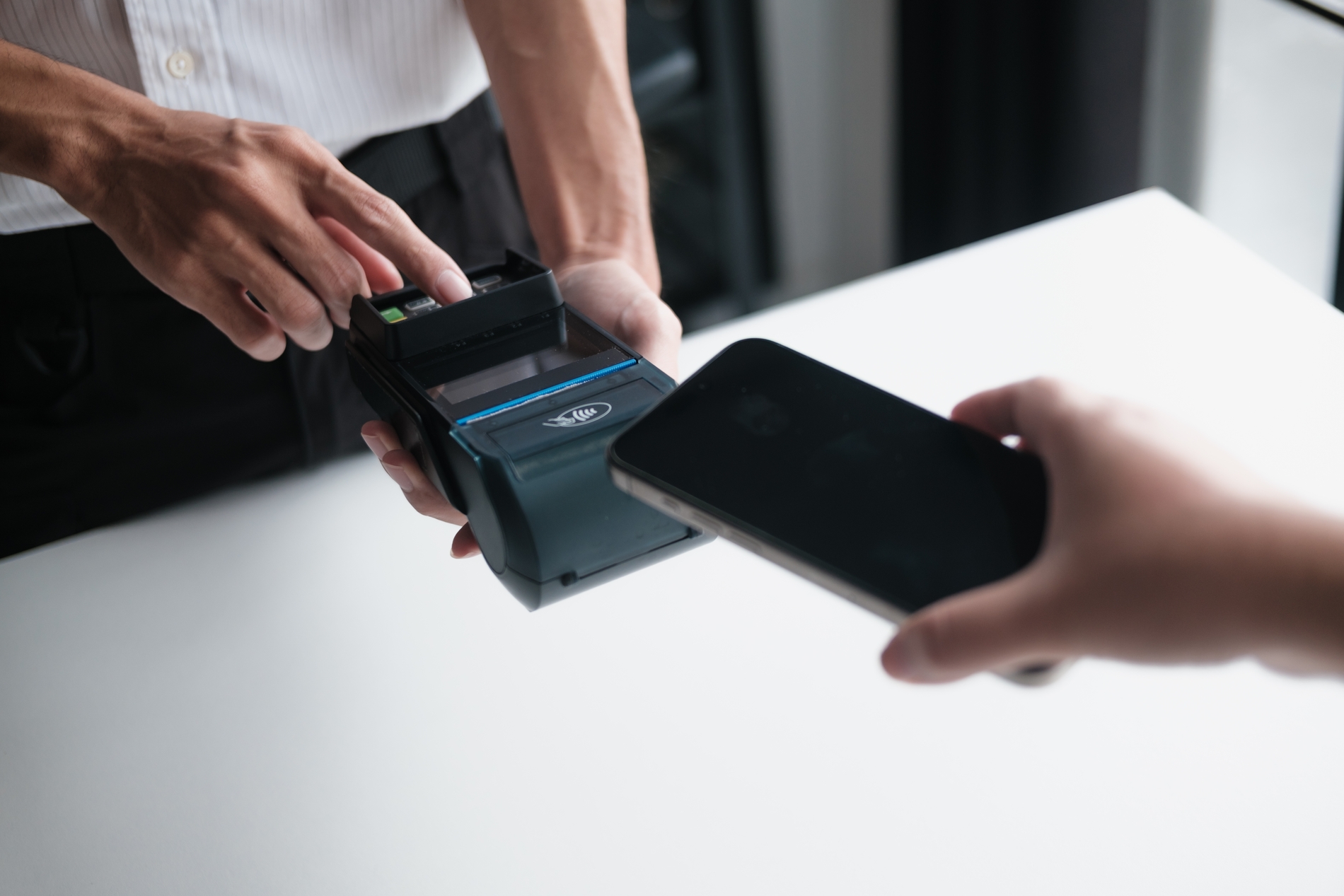
Making digital payments faster, safer, and more trustworthy.
The International Monetary Fund (IMF) and World Bank have introduced the Bangkok Blueprint, a new international framework designed to strengthen security across digital financial services and instant payment networks.
Launched on October 14, 2026, during the IMF and World Bank Annual Meetings in Thailand, the initiative responds to growing concerns about online fraud, financial scams, and the risks associated with increasingly interconnected payment systems.
The framework offers guidance for governments, regulators, and financial institutions seeking to protect consumers without slowing the growth of digital finance.
A New Framework for Digital Financial Security
Officially titled the Bangkok Blueprint for Fraud-Resilient Financial Services, the initiative outlines 12 key considerations for addressing cyber-enabled financial fraud.
These recommendations cover regulatory oversight, consumer protection, fraud prevention, and cooperation between financial institutions.
Rather than establishing legally binding international rules, the blueprint provides a framework that countries can adapt to their financial systems.
Its central objective is to ensure that expanding digital payment services remain secure, accessible, and reliable.
Why Instant Payments Need Stronger Protection
Instant payment networks have transformed everyday financial transactions.
Consumers can transfer money within seconds, businesses can receive payments immediately, and individuals can send funds without relying on traditional banking hours.
However, the same speed that makes these services convenient can also create opportunities for fraud.
Once money is transferred, recovering it may become difficult, particularly when criminals quickly move funds through multiple accounts.
The Bangkok Blueprint encourages financial institutions to introduce stronger verification systems and real-time fraud monitoring.
Global Financial Fraud Raises Concerns
Financial fraud has become a significant international economic challenge.
During the Bangkok launch, Thai officials highlighted estimates suggesting that digital scams could cost the global economy around $1 trillion annually.
Criminal networks increasingly use impersonation, deceptive messages, and artificial intelligence to manipulate victims into authorizing transactions.
These schemes often operate across national borders, making investigations and recovery efforts more complicated.
IMF Managing Director Kristalina Georgieva warned that widespread fraud could undermine public confidence in digital financial services.
Thailand Offers Practical Lessons
Thailand’s experience with digital payments helped shape discussions surrounding the blueprint.
Its PromptPay system has made instant transfers widely accessible to individuals and businesses.
The country has also introduced measures to address financial scams, including stronger identity verification, suspicious-account monitoring, and coordinated fraud reporting.
Thailand’s Anti Online Scam Operation Center allows victims to report incidents and request urgent intervention.
These initiatives provide examples of how payment innovation and consumer protection can develop together.
International Cooperation Becomes Essential
One of the blueprint’s priorities is improving cooperation between countries.
Financial scams frequently involve multiple jurisdictions, with stolen funds moving rapidly between banks and payment platforms.
The framework encourages regulators and financial institutions to share fraud intelligence, establish coordinated response procedures, and strengthen cross-border transaction monitoring.
It also recognizes that banks cannot address the problem alone.
Telecommunications providers, technology platforms, law enforcement agencies, and payment companies all have roles in preventing financial crime.
Protecting Consumers Without Slowing Innovation
The challenge for policymakers is balancing security with convenience.
Excessive restrictions could make digital payments slower or more difficult to access, particularly for individuals and small businesses.
The blueprint therefore recommends proportionate safeguards, including transaction verification, risk-based warnings, and stronger authentication.
Its approach emphasizes building fraud protection into financial products from the beginning rather than treating security as an optional feature.
What the Blueprint Means for the Future
The Bangkok Blueprint represents an important step toward a more coordinated international approach to digital financial security.
Its effectiveness will depend on how individual countries translate the recommendations into regulations, technology, and practical cooperation.
For consumers and businesses, successful implementation could mean safer transactions, faster responses to fraud, and greater confidence in digital payments.
As instant payment networks continue expanding, the blueprint reinforces an important principle: financial innovation must be supported by security measures that protect the people using it.
