
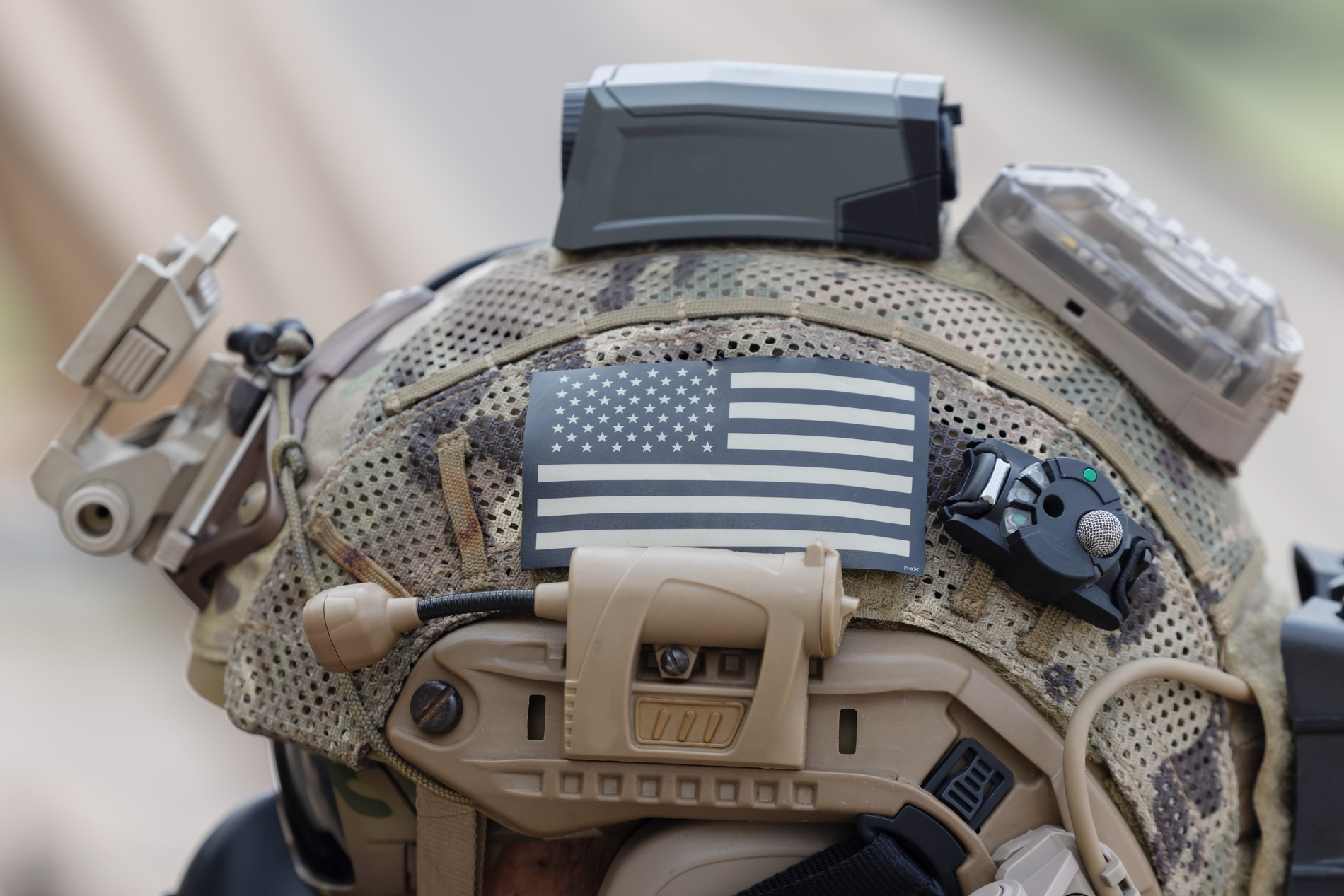
An era of American military presence comes to an end.
The United States completed the withdrawal of its remaining forces from Iraq on September 30, formally ending a military presence whose origins stretch back to the U.S.-led invasion of 2003.
The final American and coalition personnel departed Erbil Air Base in Iraq’s northern Kurdistan region, completing a gradual withdrawal agreed between Washington and Baghdad. The departure also brought the U.S.-led Operation Inherent Resolve mission inside Iraq to a close after 12 years of operations against ISIS.
Final Forces Leave Erbil
Erbil Air Base had become the final major hub for American and coalition forces remaining in Iraq.
U.S. Central Command confirmed that personnel and equipment completed an orderly departure from the base on September 30. Around 1,500 American and coalition personnel had previously been supporting counter-ISIS operations from Erbil.
The withdrawal followed earlier departures from bases elsewhere in Iraq as Iraqi forces gradually assumed greater responsibility for national security.
A Military Presence Dating Back to 2003
The September withdrawal closes the latest chapter in a complicated American military history in Iraq.
U.S.-led forces invaded the country in March 2003 and removed Saddam Hussein’s government. American troop numbers later rose dramatically as Iraq experienced insurgency, sectarian violence and years of instability.
U.S. forces initially withdrew in 2011.
That absence didn’t last long. When ISIS captured large areas of Iraq and Syria in 2014, Iraqi authorities requested international military assistance. American forces returned as part of a new coalition focused on defeating the extremist group.
Twelve Years Fighting ISIS
Operation Inherent Resolve was established in 2014 as ISIS expanded rapidly across the region.
American and coalition forces provided air support, intelligence, training and military assistance while Iraqi security forces and Kurdish Peshmerga fought ISIS on the ground.
ISIS eventually lost control of its territory in Iraq, although smaller cells continued operating.
The Pentagon described the September 30 departure as the conclusion of a 12-year campaign that had defeated ISIS as an organized military threat in Iraq.
Iraq Takes Primary Responsibility
The withdrawal places primary responsibility for Iraq’s internal security with Iraqi forces.
That includes the Iraqi Security Forces, Peshmerga and other forces operating within the Kurdistan region.
Iraqi officials have said the country’s security forces are capable of managing remaining ISIS threats without a permanent foreign military presence.
The transition is therefore intended to move Iraq away from a wartime coalition structure and toward more conventional international security partnerships.
U.S.-Iraq Security Ties Will Continue
The departure of American troops doesn’t mean military cooperation between Washington and Baghdad has completely ended.
The United States plans to continue providing targeted training and intelligence assistance to Iraqi partners. The relationship will now operate primarily through bilateral security cooperation rather than a permanent U.S.-led military mission inside the country.
The counter-ISIS coalition also remains active elsewhere in the region. Its task force has relocated its headquarters to Jordan, while coalition forces continue operations connected with ISIS threats in Syria.
Security Questions Remain
ISIS no longer controls the vast territory it once held, but the organization hasn’t disappeared entirely.
Smaller cells remain active across parts of Iraq and Syria, meaning Iraqi forces will continue counterterrorism operations.
The withdrawal also comes amid wider questions surrounding armed militias, regional tensions and the future security of Iraq’s Kurdish region.
The End of a Long Chapter
September 30 carries considerable symbolic weight for both countries.
For Iraq, it represents a shift toward Iraqi-led security after decades shaped by foreign military involvement. For the United States, it closes a military mission connected to more than two decades of war, withdrawal and eventual return.
The American military presence that began in 2003 wasn’t continuous, but its influence shaped an entire generation of U.S.-Iraq relations.
Now, that relationship enters a different phase, one built around diplomatic, economic and security cooperation without American troops permanently stationed on Iraqi soil.
