
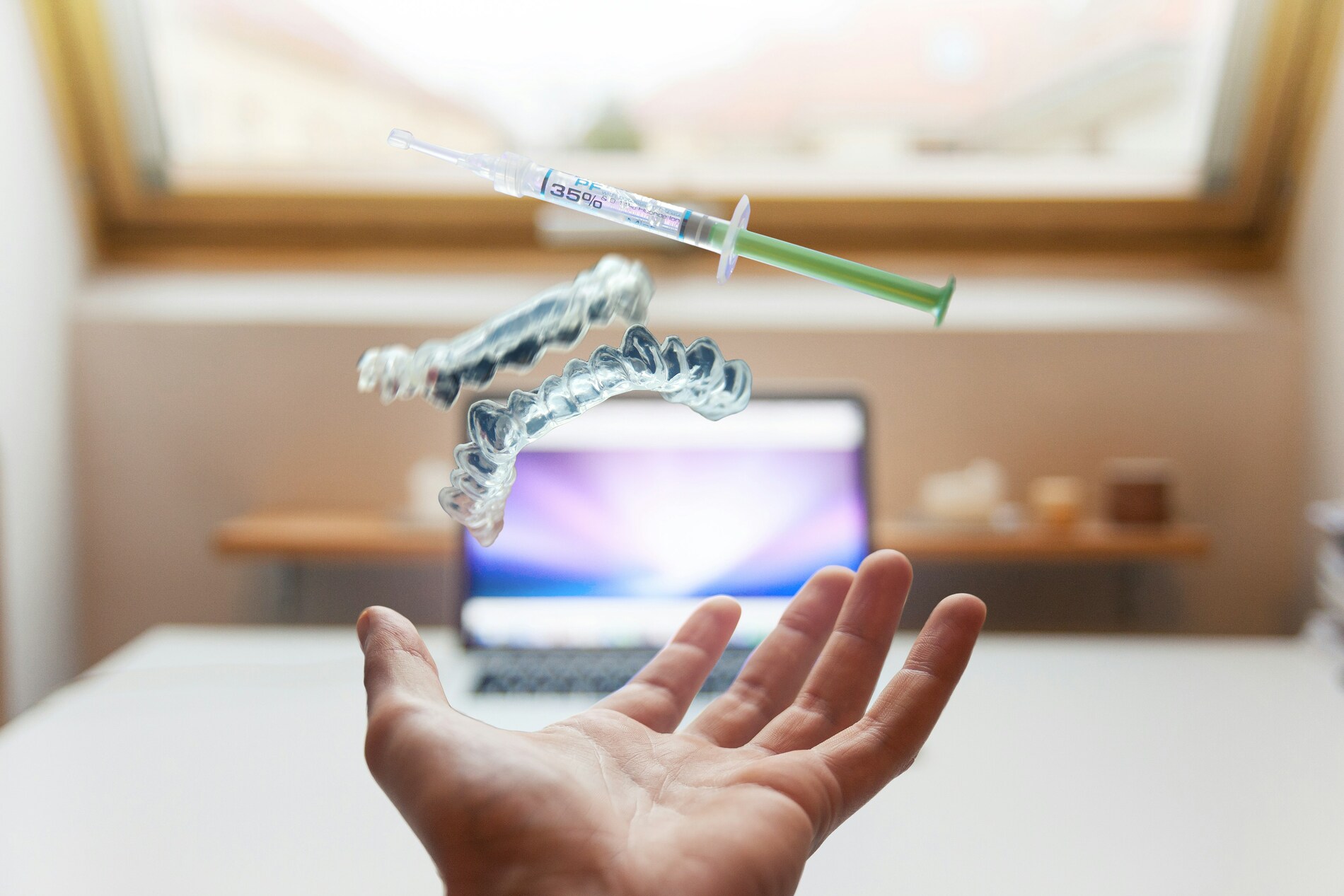
Artificial intelligence is transforming healthcare by enabling faster and more precise diagnoses, marking a new era of innovation in medicine. Hospitals, research centers, and technology companies are joining forces to integrate AI into clinical practice, offering solutions that improve patient outcomes and strengthen health systems worldwide.
One of the most significant impacts of AI is its ability to analyze vast amounts of medical data in seconds. Algorithms trained on millions of images and records can detect patterns that are often invisible to the human eye. Radiology, pathology, and dermatology are among the fields benefiting most, with AI systems identifying early signs of cancer, cardiovascular disease, and neurological conditions with remarkable accuracy. This speed not only accelerates treatment but also increases the chances of successful recovery.
AI is also enhancing diagnostic precision. By combining imaging data with genetic information and patient history, intelligent systems provide comprehensive insights that support doctors in making informed decisions. This holistic approach reduces errors, minimizes unnecessary tests, and ensures that patients receive personalized care tailored to their unique needs.
Emergency medicine is experiencing notable improvements. AI-powered tools can quickly assess critical cases, prioritizing patients who require immediate attention. In stroke diagnosis, for example, algorithms are helping physicians identify blockages in blood vessels within minutes, enabling rapid intervention that can save lives and reduce long-term disability.
The integration of AI into healthcare is not limited to hospitals. Mobile applications and wearable devices equipped with intelligent monitoring systems are empowering individuals to track their health in real time. These tools detect irregularities such as abnormal heart rhythms or changes in blood sugar levels, alerting users and healthcare providers before conditions become severe. This proactive approach fosters prevention and reduces the burden on medical facilities.
Economic benefits are also evident. Faster and more accurate diagnoses reduce hospital stays, lower costs associated with late-stage treatments, and optimize the use of medical resources. Health systems gain efficiency, while patients benefit from timely interventions that improve quality of life.
Importantly, AI is being developed with a focus on collaboration rather than replacement. Doctors remain at the center of care, using AI as a supportive tool that enhances their expertise. This partnership between human judgment and machine intelligence ensures that technology serves as an ally in delivering compassionate and effective healthcare.
AI is proving to be a powerful force in medicine, the rise of AI in medicine reflects a positive vision where innovation and humanity work together to build healthier societies. By enabling faster and more accurate diagnoses, it is helping to save lives, reduce costs, and inspire confidence in the future of healthcare.
