
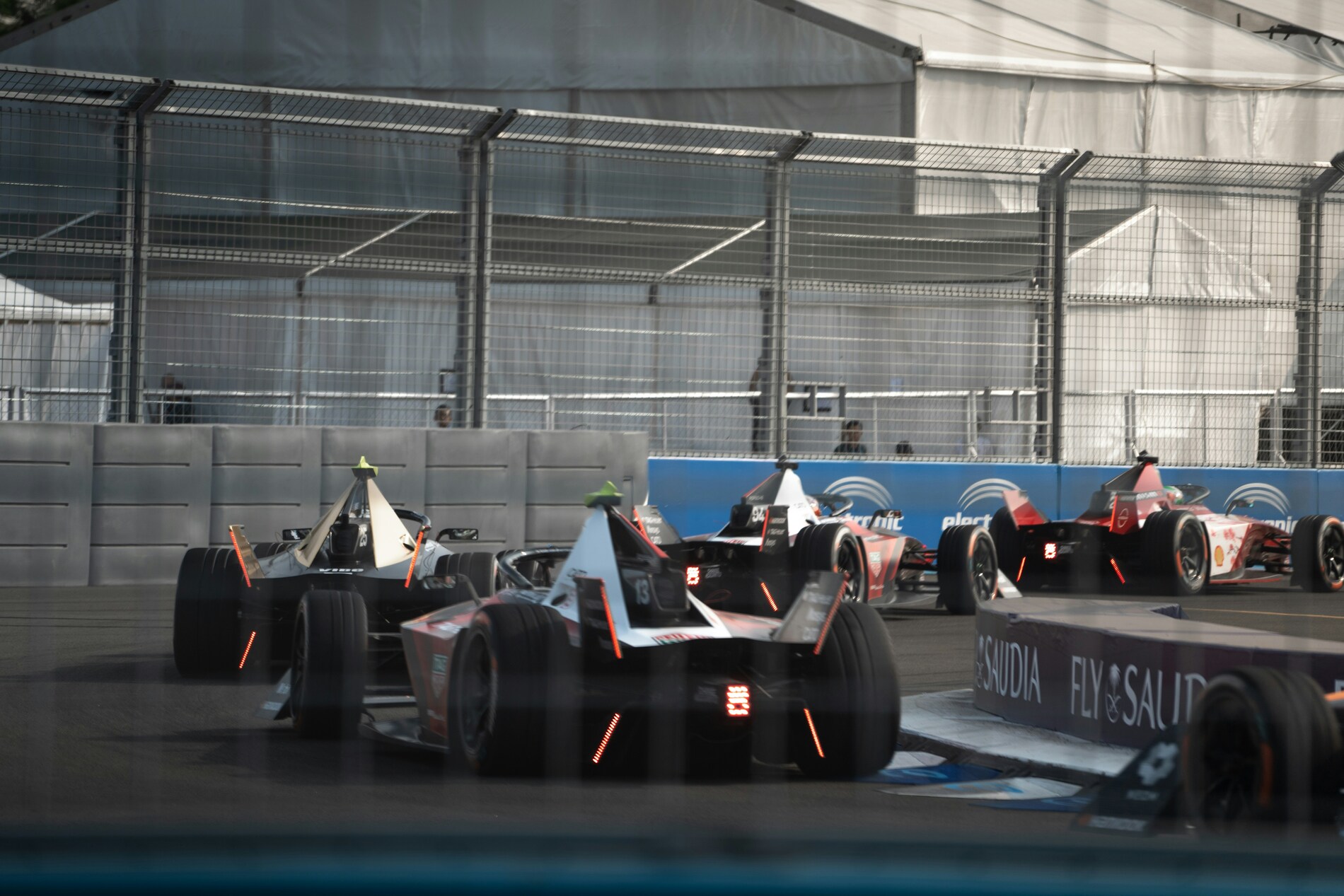
Formula E is rapidly becoming a driving force in the evolution of electric mobility, proving that high-performance racing can serve as a laboratory for innovation. Since its inception, the championship has showcased how competition at the highest level can accelerate the development of technologies that are now transforming everyday vehicles.
The series has positioned itself as more than just a motorsport. It is a platform where manufacturers test advanced battery systems, energy management strategies, and regenerative braking technologies under extreme conditions. These innovations, refined on the track, are later integrated into consumer vehicles, improving efficiency, safety, and performance.
One of the most significant contributions of Formula E is in battery technology. Racing demands lightweight, high-capacity batteries that deliver consistent power. The progress achieved in this area has influenced the design of batteries for on-road electric cars, extending driving range and reducing charging times. This transfer of knowledge is helping to overcome one of the main barriers to widespread adoption of electric mobility.
Energy management is another area where Formula E is making an impact. Drivers must strategically balance speed and efficiency, using advanced software to optimize power usage. These systems are now being adapted for street vehicles, allowing consumers to benefit from smarter energy distribution that maximizes performance while conserving battery life.
Regenerative braking, perfected in Formula E, has become a standard feature in electric cars. By capturing energy during deceleration and feeding it back into the battery, vehicles achieve greater efficiency and sustainability. This technology, tested under the intense demands of racing, is now a key component of modern electric mobility.
The influence of Formula E extends beyond engineering. The championship promotes urban sustainability by hosting races in city centers and raising awareness of clean energy and mobility solutions. This visibility inspires communities and policymakers to embrace electric transport, reinforcing the cultural shift toward greener cities.
Economically, Formula E’s growth is attracting major automotive brands and technology companies. Their investment in the sport accelerates research and development and boosts consumer confidence in electric vehicles. The synergy between competition and industry ensures that progress in racing translates into tangible benefits for society.
Formula E represents a positive vision of the future of mobility, as it merges speed, innovation, and sustainability and demonstrates that racing can be more than entertainment; it can be a catalyst for change. The advances achieved on the track are shaping the cars of tomorrow, proving that the future of transportation is electric, efficient, and exciting.
