
A remarkable shift is taking place across the world of sports. Athletes over 40—once expected to retire or slow down—are now competing at the highest levels, breaking records, and challenging long‑held assumptions about age and performance. Thanks to advances in sports science, nutrition, recovery technology, and mental‑training strategies, longevity has become one of the most inspiring trends in modern athletics.
Few athletes embody this evolution better than Tom Brady. The legendary quarterback extended his NFL career well past 40, winning a Super Bowl at 43 and demonstrating that experience, discipline, and strategic training can keep an athlete at the top of their game. His longevity became a symbol of what is possible when preparation and innovation come together.
In tennis, Serena Williams redefined expectations by competing at Grand Slam level into her forties. Her powerful style, combined with refined recovery routines and a deep understanding of her own body, allowed her to remain competitive against younger opponents. Her presence on the court showed how emotional maturity and tactical intelligence can elevate performance in later stages of a career.
Football has its own icons of longevity. Zlatan Ibrahimović continued scoring in Europe’s top leagues into his forties, relying on exceptional conditioning and a training philosophy centered on mobility and strength. His ability to adapt his game while maintaining elite performance inspired fans and teammates alike.
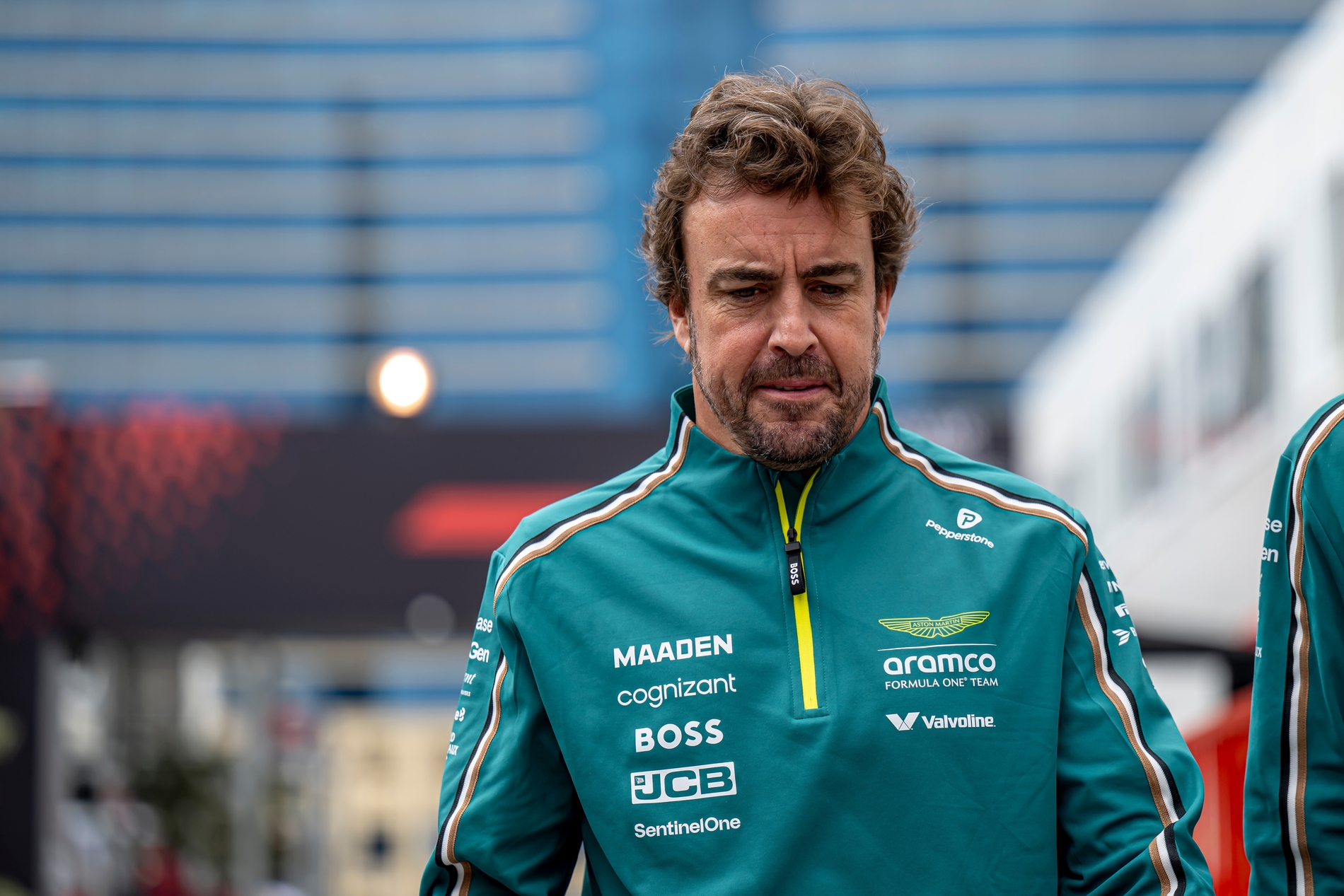
In motorsport, Fernando Alonso returned to Formula 1 with renewed energy, competing at a high level at 42. His success highlights how endurance, reflexes, and decision‑making can be preserved through targeted physical preparation and advanced simulation training. Motorsport’s technological evolution has also supported longer careers, allowing drivers to stay competitive while minimizing physical strain.
Endurance sports offer some of the most striking examples of longevity. Marathon legend Eliud Kipchoge continues to compete at world‑class level in his late thirties and early forties, supported by meticulous training cycles and cutting‑edge biomechanical analysis. His consistency demonstrates how long‑term discipline and scientific support can sustain excellence.
Even in physically demanding combat sports, veterans like Glover Teixeira have shown that age can bring strategic advantages. Teixeira won a UFC title at 42, relying on technique, timing, and mental resilience rather than sheer explosiveness. His career reflects a broader trend in which experience becomes a decisive asset.
Sports organizations are adapting to this new reality. Enhanced medical teams, personalized recovery programs, and performance‑tracking technologies are helping athletes extend their careers safely. The result is a sporting landscape where longevity is not an exception but an emerging norm.
These athletes are reshaping cultural perceptions of age, proving that passion, preparation, and adaptability can keep competitors at the highest level long after traditional expectations. Their achievements send a powerful message: peak performance is no longer defined by youth, but by commitment and the willingness to evolve.
