
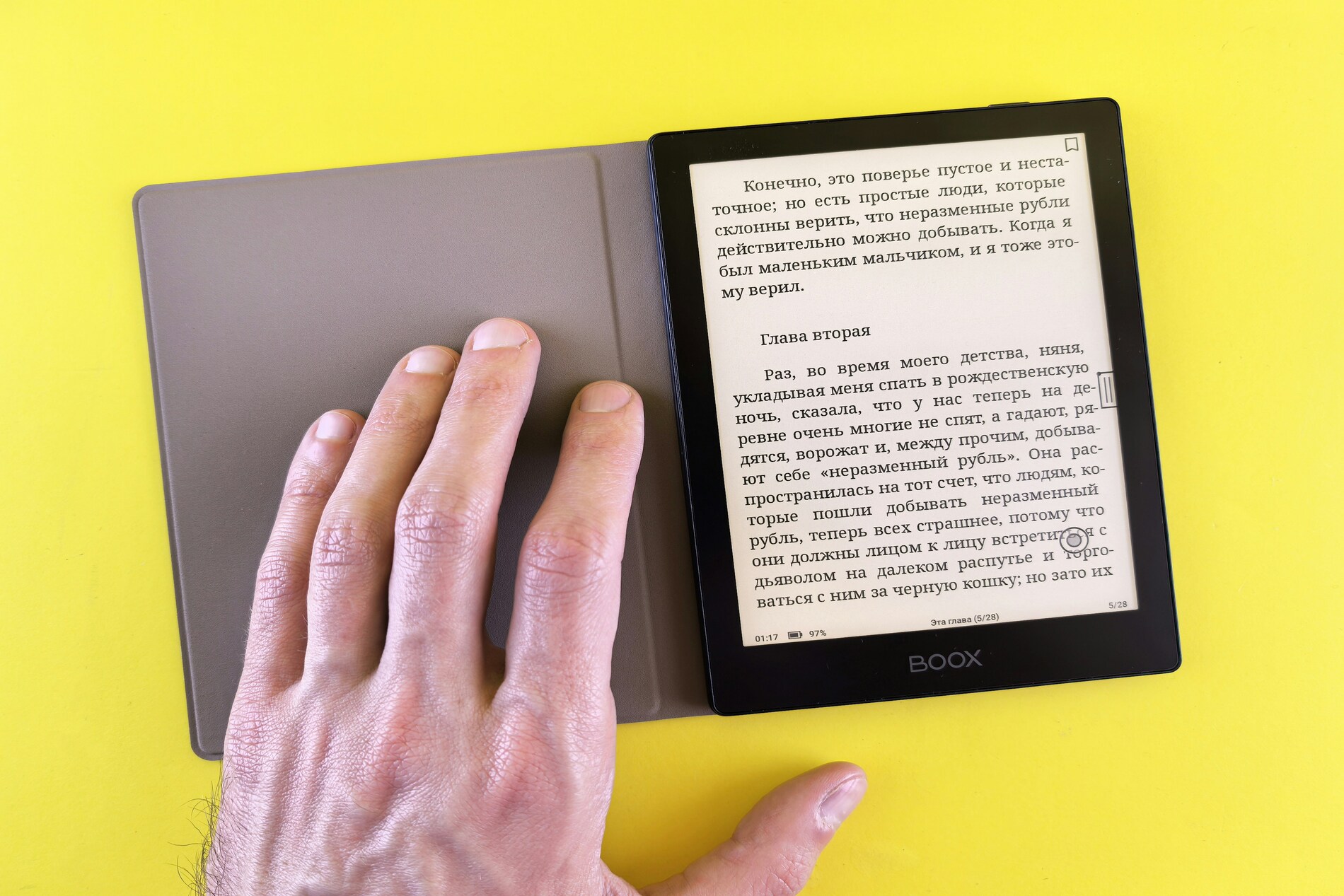
Electronic ink has undergone a remarkable transformation over the past two decades, evolving from a monochrome novelty into one of the most promising display technologies for digital reading. As demand for eye‑friendly screens and sustainable devices grows, e‑ink is experiencing a resurgence driven by innovation, design improvements, and a renewed focus on reader comfort. The result is a new generation of e‑readers and digital notebooks that feel closer than ever to paper while offering the flexibility of modern tech.
The earliest e‑ink displays were celebrated for their low power consumption and paper‑like appearance, but they were limited in speed, contrast, and color. Today, those limitations are rapidly fading. Advances in microcapsule engineering and reflective display layers have produced screens with sharper text, faster page turns, and richer grayscale depth. These improvements make long reading sessions more comfortable and reduce the visual fatigue associated with traditional backlit screens.
One of the most exciting developments is the rise of color e‑ink. New panels can display thousands of hues without sacrificing battery life, opening the door to illustrated books, magazines, educational materials, and creative tools that were previously out of reach for e‑ink devices. While the technology is still evolving, early adopters praise the balance between gentle visuals and vibrant detail.
Another major leap is the integration of stylus‑friendly surfaces. Digital notebooks and hybrid e‑readers now offer precise handwriting recognition, pressure sensitivity, and ultra‑low latency, allowing users to annotate documents or sketch with a natural feel. These devices are becoming popular among students, professionals, and artists who want the tactile experience of writing on paper combined with the convenience of digital storage.
Sustainability is also driving the evolution of e‑ink. Because the screens only consume power when content changes, e‑readers can last weeks on a single charge. Manufacturers are pairing this efficiency with recycled materials, modular components, and repair‑friendly designs. The result is a category of devices that aligns with global efforts to reduce electronic waste and energy consumption.
Accessibility is another area where e‑ink is making a positive impact. The high contrast and matte finish of these displays benefit readers with visual sensitivities, while adjustable font sizes and customizable layouts support diverse reading needs. As more educational institutions adopt digital materials, e‑ink devices are becoming valuable tools for inclusive learning.
The momentum behind electronic ink reflects a broader shift toward technology that prioritizes well‑being, sustainability, and simplicity. As the digital reading ecosystem expands, e‑ink continues to evolve in ways that honor the tactile pleasure of traditional books while embracing the possibilities of modern innovation.
With each new generation of devices, electronic ink moves closer to its goal: offering a reading experience that is gentle on the eyes, kind to the planet, and beautifully suited to the rhythm of everyday life.
