
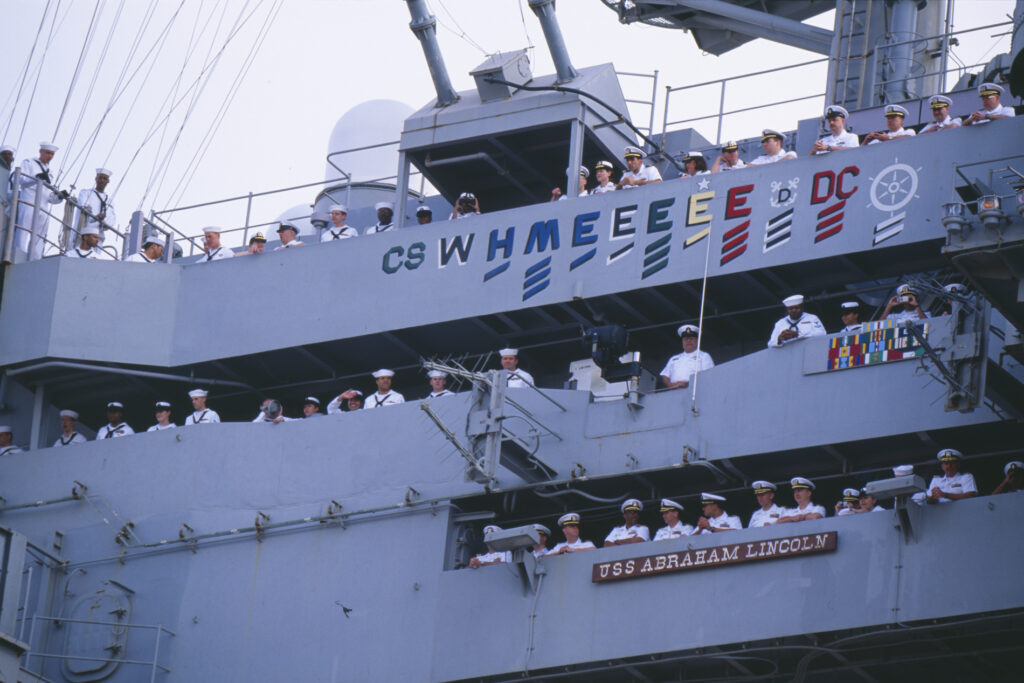
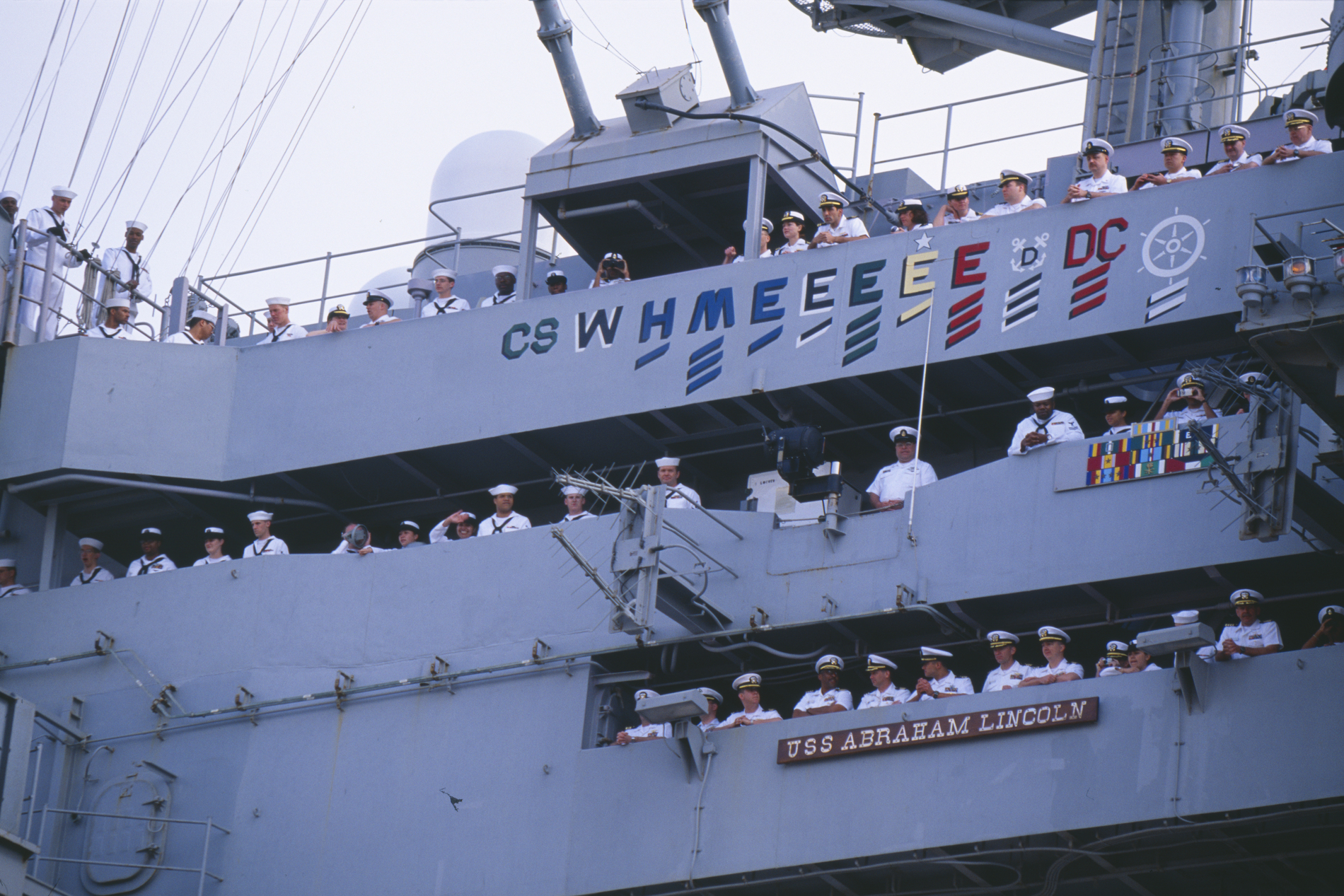
After months of demanding operations and limited time ashore, the USS Abraham Lincoln has reached Thailand for a long-awaited port visit.
After spending more than eight months without a regular port call, the aircraft carrier USS Abraham Lincoln arrived in Thailand on September 2.
The visit provides some much-needed time ashore for thousands of sailors following an unusually long period of operations connected with the Middle East.
The carrier originally departed San Diego in November 2025 as part of a wider deployment that eventually became considerably longer and more demanding than a typical overseas assignment.
A Long Journey From San Diego
The Abraham Lincoln left its home port in San Diego in November 2025 alongside other ships from its carrier strike group.
Carrier deployments are normally planned months in advance and involve enormous logistical preparation. Thousands of sailors, aircraft crews, maintenance teams, and support personnel operate together while moving between different regions.
This deployment, however, became particularly notable because of how long the strike group remained continuously at sea.
Operational requirements in and around the Middle East kept the carrier busy for months, limiting opportunities for normal port visits.
By the time it reached Thailand, the crew had gone more than eight months without a standard liberty call.
Why Aircraft Carriers Stay Deployed
Aircraft carriers are essentially moving military airfields.
The Abraham Lincoln can support fighter aircraft, helicopters, surveillance operations, and other missions while traveling thousands of miles from the United States.
That flexibility is why carriers are frequently moved toward regions experiencing political or military tension.
But keeping such an enormous ship operating for months is complicated.
Food, fuel, aircraft parts, equipment, mail, and other supplies must regularly reach the vessel. Much of this can happen while the carrier remains at sea through support ships and aircraft.
The system allows operations to continue, but it doesn’t replace the importance of eventually reaching port.
Thailand Offers a Needed Pause
A port visit might sound like a simple stop during a long journey, but for sailors it can be incredibly important.
After months aboard the same ship, getting time ashore gives crew members an opportunity to rest, explore somewhere different, contact family more easily, and temporarily step away from the demanding routine of carrier operations.
Port visits also allow some maintenance and logistical work to happen more easily.
For the Abraham Lincoln crew, Thailand represents the first real opportunity in months to experience that change of pace.
Life During an Extended Deployment
Living aboard an aircraft carrier is very different from working a normal job.
Sailors live and work in the same environment, often following demanding schedules while flight operations continue throughout the day and night.
Space is limited, privacy can be difficult to find, and communication with family isn’t always as easy as it would be on land.
An extended deployment adds another challenge because sailors may spend important holidays, birthdays, and family events thousands of miles away from home.
That makes morale an important part of maintaining a crew’s effectiveness during long periods at sea.
A Major Logistical Operation
Keeping a carrier strike group operating for this long requires much more than the carrier itself.
Support ships regularly provide fuel, food, spare parts, and other essential supplies.
Aircraft can also move personnel and smaller items between ships and shore facilities.
Meanwhile, technicians continuously maintain the carrier’s aircraft, mechanical systems, communications equipment, and other machinery.
It’s a massive operation happening largely out of public view.
The ability to remain deployed for months demonstrates the reach of a modern carrier group, but it also places considerable pressure on both equipment and personnel.
Thailand Has Strategic Importance Too
The visit isn’t only about giving sailors some time ashore.
Thailand is a longstanding U.S. treaty ally in Southeast Asia, and visits by American naval vessels provide opportunities for military cooperation and diplomatic engagement.
Port calls can include meetings between officials, logistical coordination, community activities, and other forms of engagement between the two countries.
The Abraham Lincoln’s arrival therefore carries both practical and diplomatic significance.
What Happens After the Port Visit?
Reaching Thailand doesn’t necessarily mean the carrier’s deployment is completely finished.
Carrier strike groups often make several stops or conduct additional operations before eventually returning to their home ports.
For now, however, the Thailand visit represents an important milestone.
The Abraham Lincoln has spent months operating far from San Diego through one of the longer continuous periods at sea experienced by a U.S. carrier strike group in recent years.
For the sailors aboard, the significance is much simpler.
After eight months of demanding operations, they finally have an opportunity to step onto land, take some time away from the ship, and enjoy a well-earned break before whatever comes next.
