
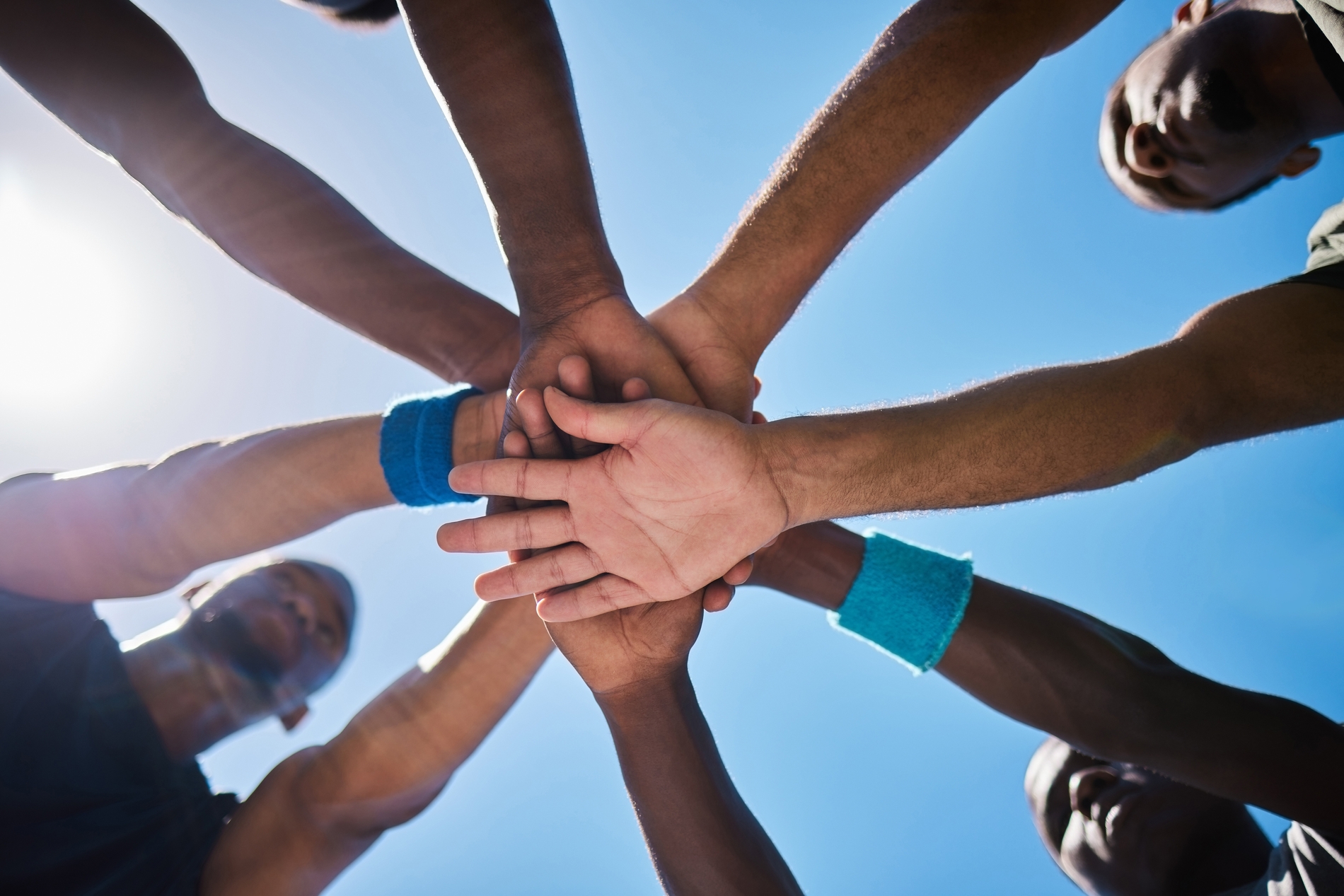
Sports are increasingly recognized as one of the most effective bridges between cultures, bringing together people who may not share a language, background, or worldview but who connect instantly through play. In stadiums, community fields, and international competitions, athletes and fans are demonstrating how physical activity can become a powerful tool for understanding, collaboration, and social cohesion. This dynamic is gaining new relevance in a world where cultural exchange is essential for building resilient and inclusive societies.
Across continents, sports programs are being designed not only to promote physical health but also to encourage dialogue and cooperation among diverse groups. International tournaments, youth leagues, and community initiatives are showing that teamwork on the field can translate into empathy off it. When players collaborate to achieve a shared goal, they learn to trust one another, communicate effectively, and appreciate different perspectives. These interactions help dismantle stereotypes and foster a sense of belonging that transcends cultural boundaries.
Major global events illustrate this impact on a large scale. Competitions such as the Olympics and the FIFA World Cup bring together athletes from dozens of countries, creating an environment where cultural exchange happens naturally. Athletes share training spaces, traditions, and personal stories, forming connections that often last beyond the competition. These events also inspire millions of viewers, who witness moments of sportsmanship that highlight respect and unity across nations.
At the community level, sports are proving equally transformative. Programs that bring together young people from different cultural backgrounds are helping reduce social tensions and build mutual understanding. In cities with growing immigrant populations, local clubs are using sports as a way to integrate newcomers, offering a welcoming space where language barriers matter less than teamwork and enthusiasm. Coaches often report that players who initially struggled to connect begin to form friendships, support one another, and develop a shared identity through the sport.
Nonprofit organizations are also leveraging sports to promote peace and cooperation in regions affected by conflict. Initiatives that unite youth from historically divided communities show that shared play can open doors to dialogue and reconciliation. By focusing on collaboration rather than competition, these programs help participants see one another as teammates rather than adversaries, creating a foundation for long‑term social harmony.
The economic and social benefits of intercultural sports cooperation extend beyond the field. Communities that embrace inclusive sports programs often experience stronger civic engagement, improved mental well‑being, and greater social cohesion. Schools and local governments are increasingly recognizing the value of sports as a tool for cultural education, investing in initiatives that promote diversity and inclusion.
The growing recognition of sports as a catalyst for intercultural cooperation reflects a positive shift in global culture. As athletes and communities continue to embrace the unifying power of play, sports are becoming a space where differences are celebrated, connections are strengthened, and a more collaborative future takes shape.
