
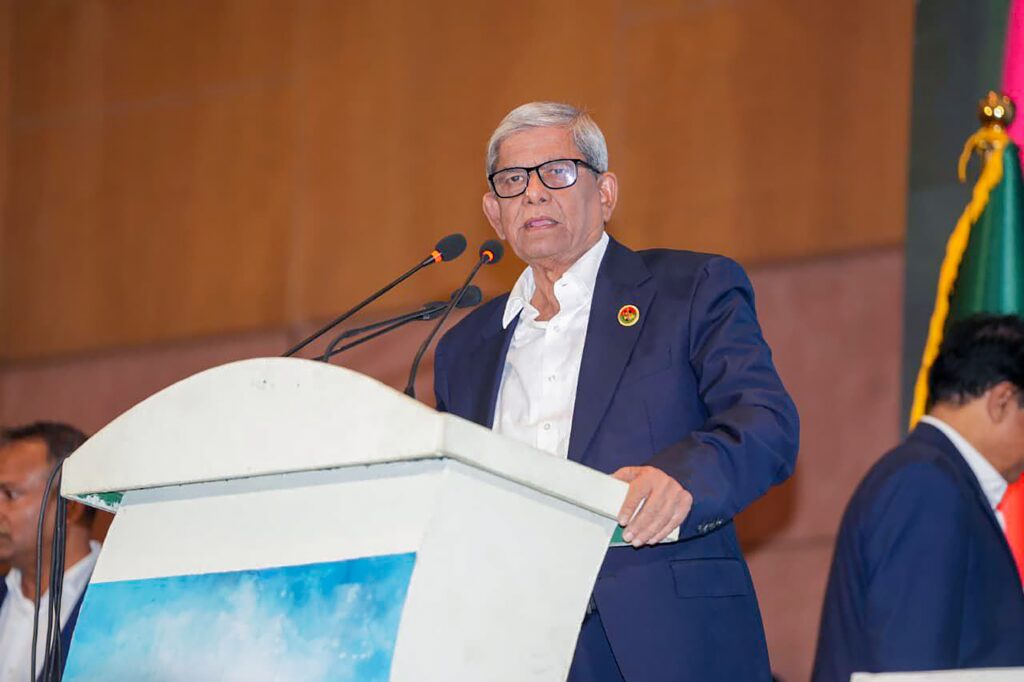
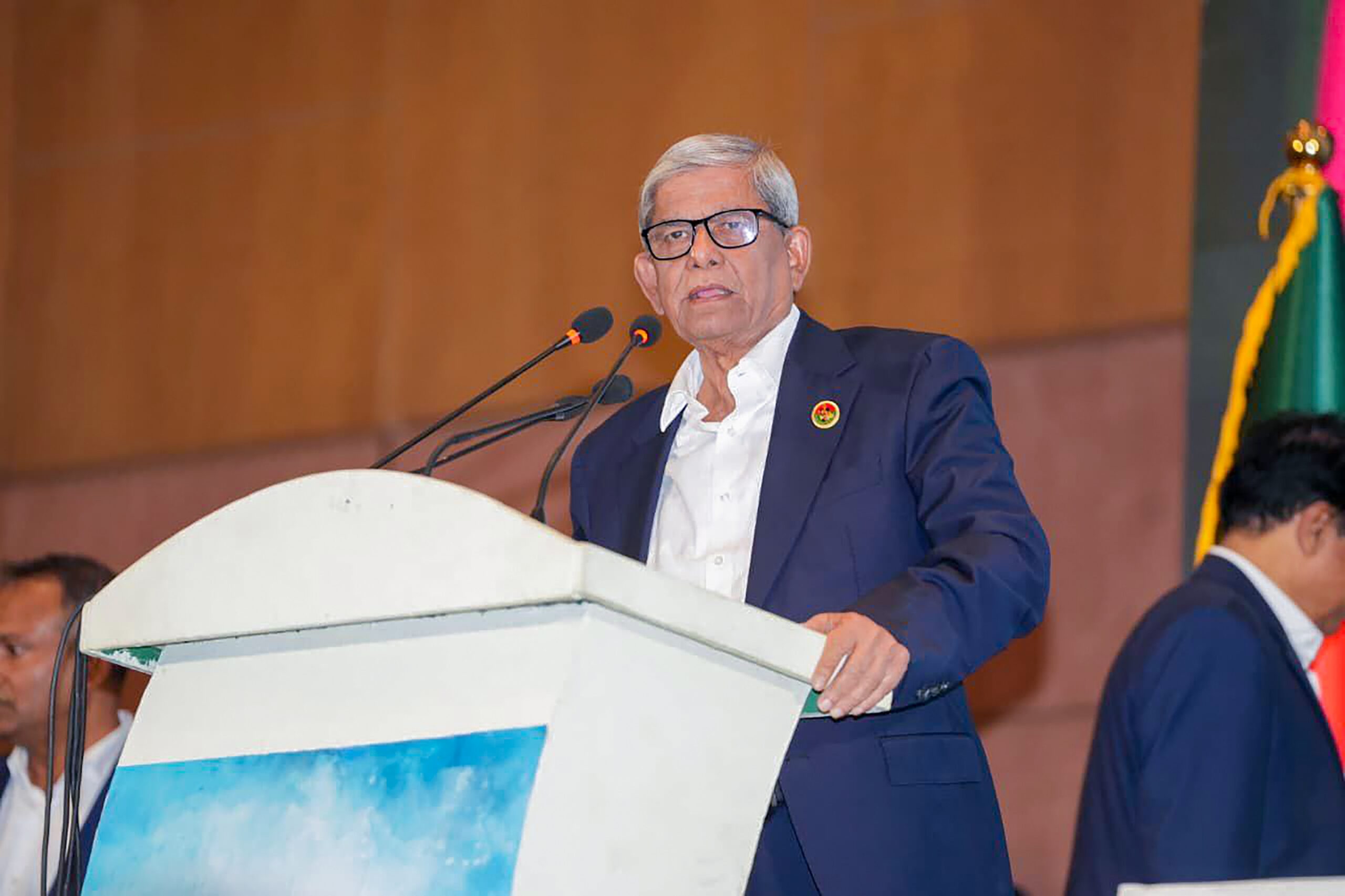
Bangladesh’s first contested presidential election in 35 years has brought veteran BNP politician Mirza Fakhrul Islam Alamgir to the country’s highest constitutional office.
Bangladesh has elected a new president following a rare contested vote in parliament.
On August 20, veteran Bangladesh Nationalist Party politician Mirza Fakhrul Islam Alamgir was elected the country’s 23rd president, defeating opposition candidate Oli Ahmad by a wide margin.
Alamgir secured 255 votes, while Ahmad received 88. Chief Election Commissioner AMM Nasir Uddin announced the result after voting concluded in the Jatiya Sangsad.
A Rare Contested Presidential Election
One reason this election attracted so much attention is that Bangladesh has not seen a contested presidential election since 1991.
The country’s president is elected by members of parliament rather than through a direct nationwide public vote. In recent decades, presidential candidates have generally taken office without a competitive ballot.
This time, however, lawmakers had a choice between Alamgir, backed by the ruling BNP, and Oli Ahmad, supported by an opposition alliance led by Bangladesh Jamaat-e-Islami.
Out of 349 eligible lawmakers, 343 valid votes were cast.
Who Is Mirza Fakhrul Islam Alamgir?
Alamgir, 78, is one of the most recognizable figures within the BNP.
His career has included teaching, local government and national politics. He became BNP secretary-general in 2016 and spent years as one of the party’s most prominent voices while it was in opposition.
Before formally becoming the BNP’s presidential candidate, Alamgir resigned from his positions as party secretary-general and a member of its Standing Committee.
His election follows the BNP’s return to government after winning the February 2026 general election under Prime Minister Tarique Rahman.
What Does the President Actually Do?
Bangladesh operates under a parliamentary system, which means the prime minister leads the government and holds most day-to-day executive power.
The presidency is largely ceremonial, but that doesn’t make the position unimportant.
The president serves as head of state and commander-in-chief of the armed forces and performs several important constitutional duties. The office can also become particularly significant during periods of political uncertainty.
Alamgir replaces Mohammed Shahabuddin, who resigned before completing his term because of health concerns.
A Symbol of Bangladesh’s Political Transition
The election also carries significance because of Bangladesh’s recent political upheaval.
Former Prime Minister Sheikh Hasina left the country in 2024 following mass protests. An interim administration led by Nobel laureate Muhammad Yunus then governed until elections brought the BNP back to power in February 2026.
Against that background, a competitive presidential election represents another step in the country’s changing political landscape.
The opposition’s decision to field a candidate also meant the result was determined through an actual parliamentary contest rather than the usual consensus process.
Economic Challenges Remain
While the president does not personally set Bangladesh’s economic policy, Alamgir takes office at a time when economic concerns remain important for the government.
Employment opportunities for young people, investment, inflation, business confidence and broader economic reforms will continue to shape public expectations.
These responsibilities will primarily fall on Prime Minister Tarique Rahman’s government, rather than the presidency itself. Still, as head of state, Alamgir will become an important public figure as Bangladesh navigates its next political and economic chapter.
What Happens Next?
Alamgir is expected to take the oath of office on August 21, officially beginning his presidency.
His comfortable victory was not unexpected, given the BNP’s strong parliamentary majority. The more notable part of the election was the fact that a genuine contest took place at all.
After years of major political change, Bangladesh now has a new president and a government facing high expectations.
For Alamgir, the challenge will be to use a largely ceremonial but nationally important position to represent a country still working through a significant democratic and political transition.
