
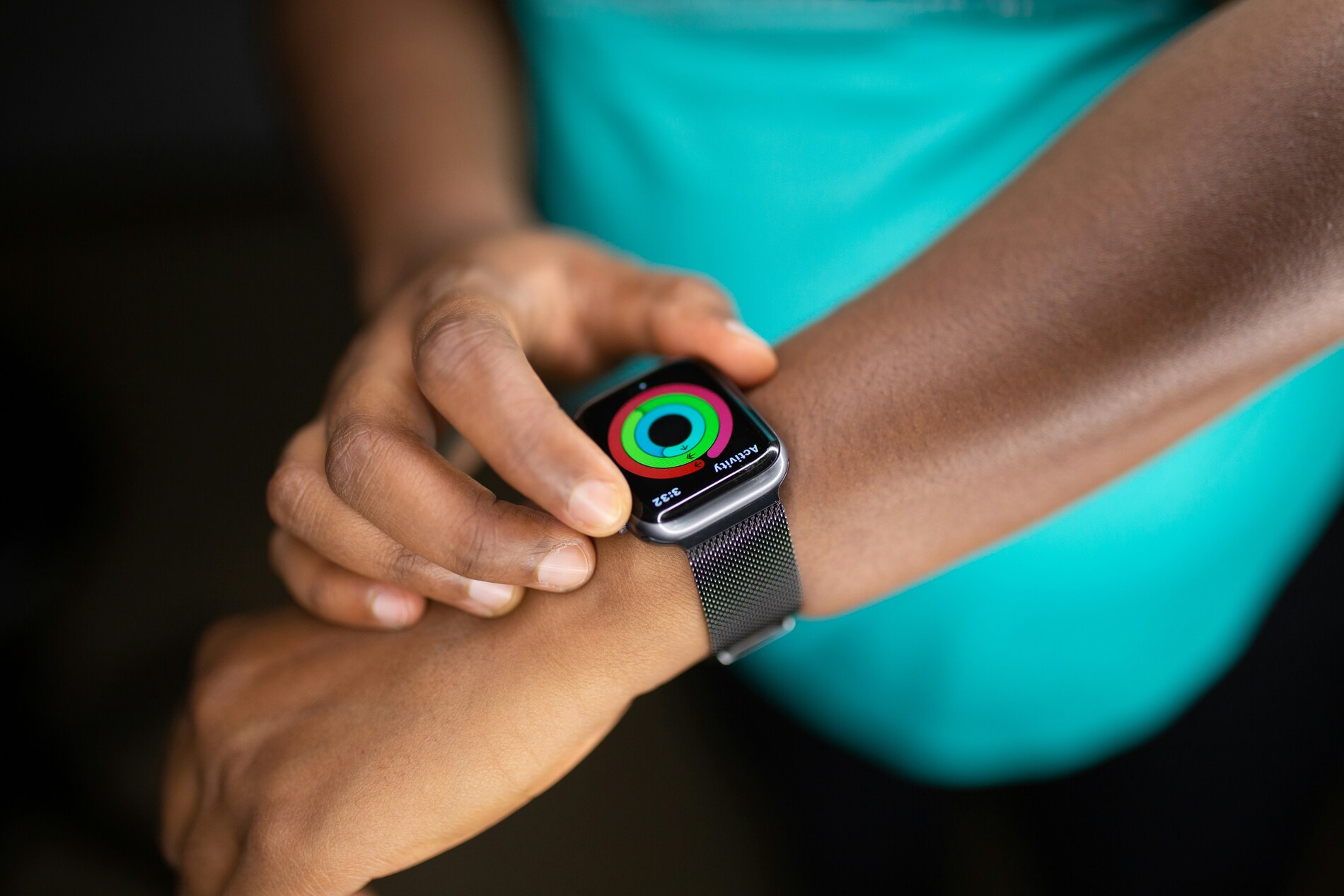
Wearable technology is entering a new phase of innovation, driven by devices designed not just to track physical activity but to monitor stress in real time. What began as simple step counters has evolved into a sophisticated ecosystem of sensors, algorithms, and intuitive interfaces that help users understand how their bodies respond to daily pressures. The result is a growing movement toward proactive emotional well‑being, supported by tools that fit seamlessly into everyday life.
Modern stress‑monitoring wearables rely on biometric signals that reflect the body’s stress response. Heart‑rate variability, skin temperature, breathing patterns, and electrodermal activity are among the indicators these devices analyze to detect moments of tension or overload. Instead of overwhelming users with data, the latest generation of wearables translates these signals into clear, actionable insights that encourage healthier habits.
One of the most celebrated features is real‑time stress alerts. When the device detects physiological signs of strain, it sends a gentle notification prompting the user to pause, breathe, or take a short break. These micro‑interventions are designed to prevent stress from escalating, helping people stay grounded throughout the day. Many users describe these reminders as small but transformative moments that bring awareness back to the body.
Guided breathing sessions have also become central to the experience. Wearables now offer short, personalized exercises that adapt to the user’s current stress level. These sessions can be completed in under a minute, making them ideal for commutes, work transitions, or moments of emotional intensity. The goal is to make stress management accessible, practical, and free of stigma.
Sleep tracking has taken on new importance as well. Because stress and rest are deeply connected, wearables analyze sleep quality, nighttime heart‑rate patterns, and recovery metrics to help users understand how well their bodies are restoring themselves. The insights encourage healthier routines, from adjusting bedtime habits to incorporating calming activities before sleep.
Another promising development is the integration of long‑term stress trends. Instead of focusing solely on daily fluctuations, wearables now highlight weekly and monthly patterns, helping users identify triggers and understand how lifestyle choices influence their emotional state. This broader perspective empowers people to make meaningful adjustments, whether through exercise, mindfulness, or improved work‑life balance.
The rise of stress‑monitoring wearables reflects a cultural shift toward viewing emotional well‑being as an essential part of health. These devices are not positioned as medical tools but as supportive companions that encourage self‑awareness and resilience. Their growing popularity shows that people are eager for technology that helps them feel more centered, more connected to themselves, and more capable of navigating the demands of modern life.
As innovation continues, wearable stress‑monitoring technology is shaping a future where emotional care is woven into the rhythm of everyday routines, offering a hopeful path toward healthier, more balanced living.
