
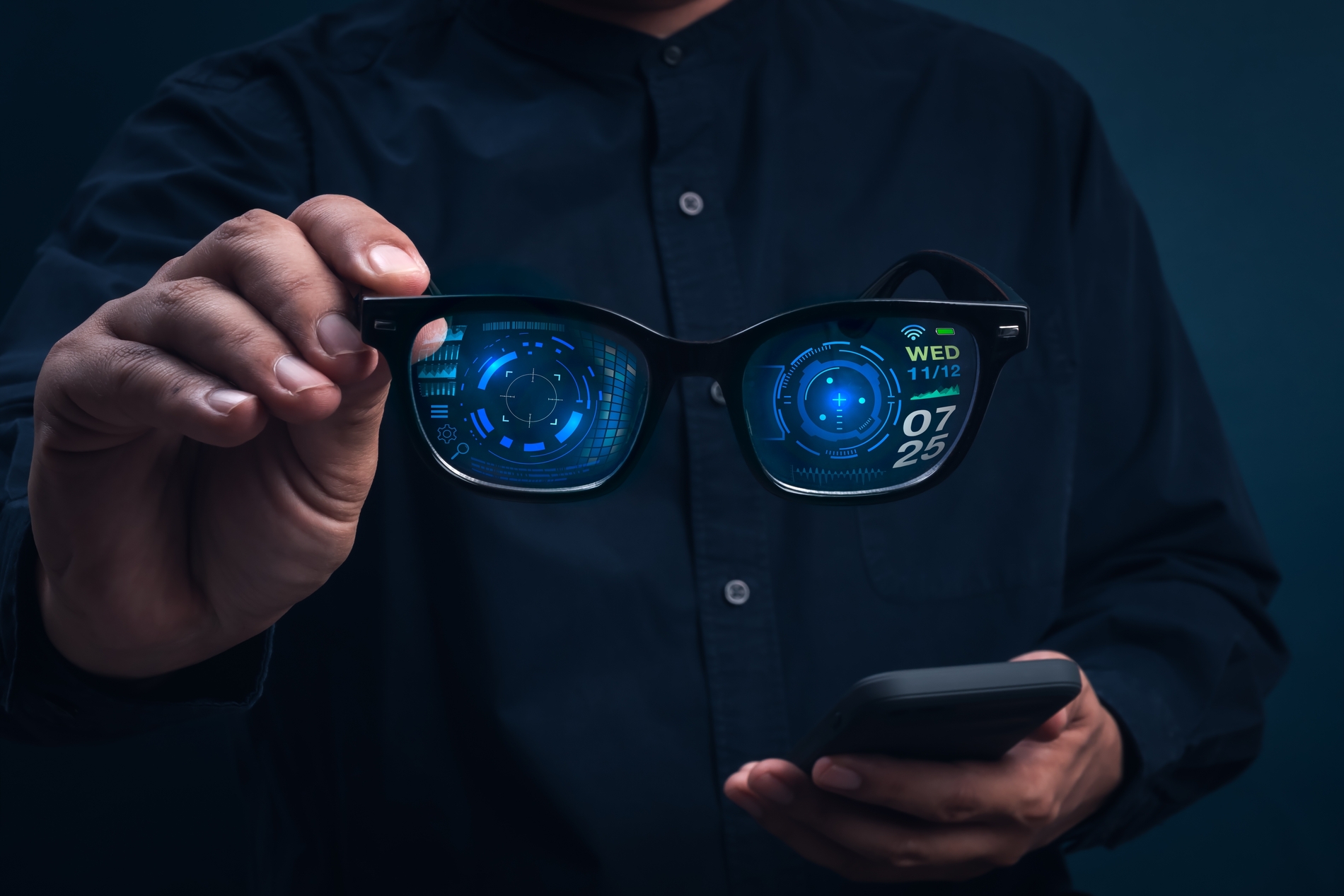
Google is preparing to re-enter the wearable technology market with its next generation of smart glasses, designed to surpass competitors by integrating advanced artificial intelligence features. The upcoming device is expected to combine a sleek design with powerful functionality, positioning Google as a leader in the race to make augmented reality accessible and practical for everyday use.
The new glasses are being developed with a focus on AI-driven experiences. Unlike earlier attempts at wearable eyewear, this iteration promises real-time translation, contextual information overlays, and intelligent assistance directly within the user’s field of vision. By embedding AI at the core of the product, Google aims to create a device that is not only futuristic but also genuinely useful in daily life.
One of the most anticipated features is seamless interaction. Users will be able to access information without relying on smartphones, receiving instant guidance for navigation, productivity, and communication. The glasses are expected to integrate with Google’s ecosystem, including Maps, Photos, and Assistant, ensuring a smooth transition between devices. This interconnected approach highlights Google’s strategy of building a unified digital experience.
Design improvements are also central to the project. Early reports suggest that the glasses will be lighter, more comfortable, and visually appealing compared to previous models. By addressing past criticisms of bulkiness and limited style options, Google is working to ensure that the product appeals to both technology enthusiasts and mainstream consumers.
The competition with Meta is particularly significant. Meta has invested heavily in augmented reality and virtual reality, positioning its devices as gateways to immersive digital worlds. Google’s approach, however, emphasizes practicality and everyday utility. By focusing on AI-powered assistance rather than purely immersive experiences, Google is carving out a distinct niche that could resonate with a broader audience.
The potential impact of these glasses extends beyond personal convenience. In education, they could provide interactive learning experiences; in healthcare, they might assist professionals with real-time data; and in business, they could streamline collaboration by overlaying information during meetings. These applications demonstrate the versatility of AI-driven wearables and their capacity to enhance multiple sectors.
Economically, the launch of advanced smart glasses could reinvigorate the wearable market. By offering a product that combines innovation with usability, Google has the opportunity to attract new consumers and expand its influence in the hardware space. The integration of AI ensures that the glasses are not just another gadget, but a transformative tool for modern living.
Google’s next smart glasses represent a positive vision of technology’s future. By blending artificial intelligence with thoughtful design, the company is aiming to deliver a product that empowers users, enriches daily experiences, and sets new standards in wearable innovation. The challenge lies in adoption, but the promise of practical, AI-driven eyewear suggests a breakthrough that could redefine how people interact with the digital world.
