
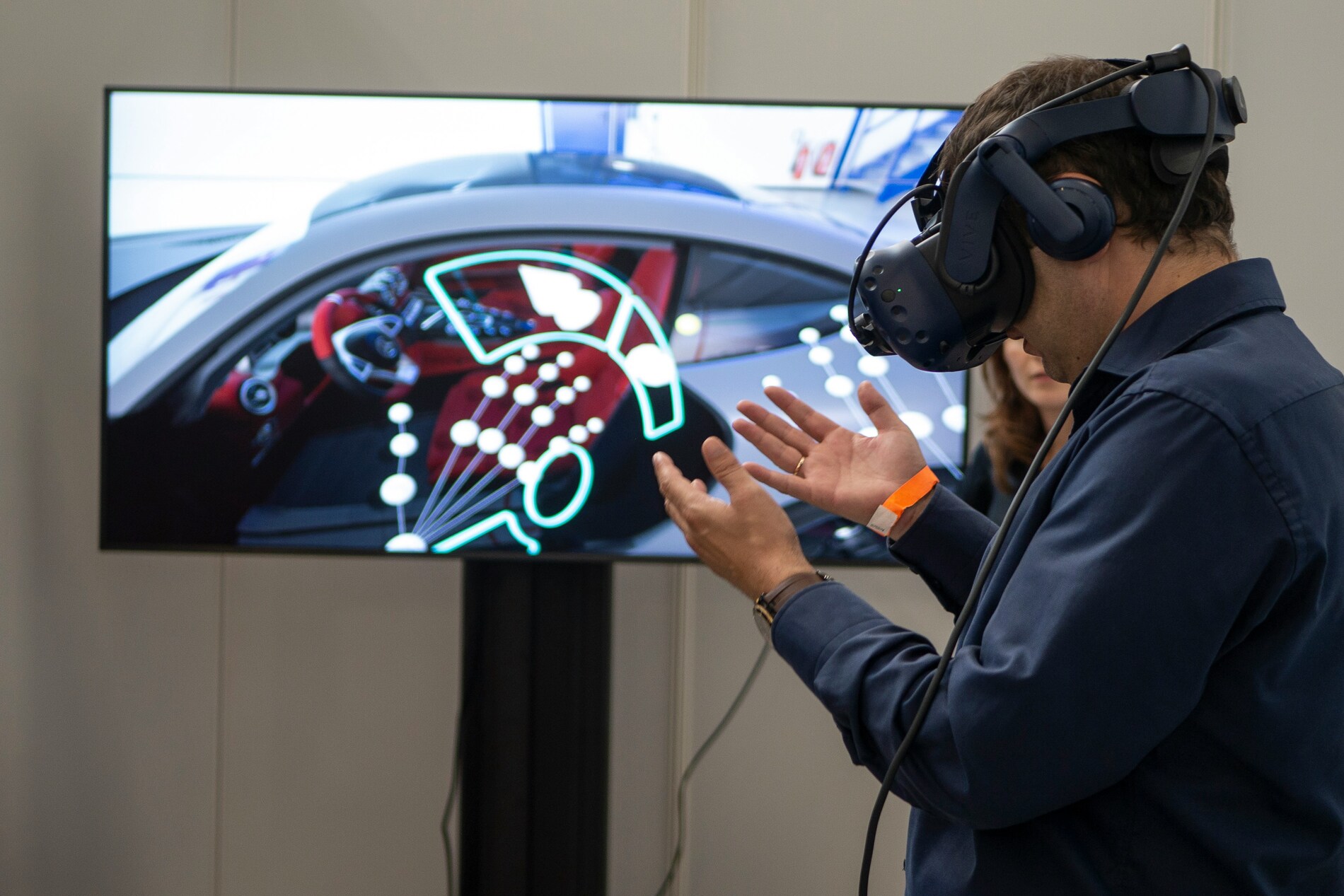
Mixed reality is beginning to transform the modern workplace, introducing a new way of interacting with digital information that goes far beyond the traditional computer screen. Smart glasses equipped with advanced sensors, spatial computing, and AI‑powered interfaces are becoming practical tools for daily tasks, offering workers a more intuitive and immersive way to visualize data, collaborate, and stay productive. What once felt like a distant vision of the future is now taking shape across industries, marking a positive shift in how professionals engage with technology.
The appeal of smart glasses lies in their ability to project digital content directly into the user’s field of view. Instead of switching between multiple monitors or navigating crowded desktops, workers can access floating windows, 3D models, and real‑time information layered seamlessly over their physical environment. This hands‑free approach reduces distractions and allows users to stay focused on their tasks while interacting naturally with digital tools. For many professionals, the experience feels more fluid and efficient than traditional screen‑based workflows.
Industries such as engineering, healthcare, logistics, and design are among the first to adopt mixed‑reality solutions. In manufacturing plants, technicians use smart glasses to view step‑by‑step instructions while assembling complex machinery, reducing errors and improving training processes. Surgeons and medical teams are experimenting with mixed‑reality overlays that display patient data and anatomical models during procedures, enhancing precision and collaboration. Architects and designers are using immersive 3D visualizations to explore projects at full scale, making it easier to identify improvements before construction begins.
AI plays a central role in enabling these experiences. Intelligent assistants integrated into the glasses can recognize objects, interpret voice commands, and adapt interfaces based on user behavior. This allows workers to access information quickly, retrieve documents, or communicate with colleagues without interrupting their workflow. In remote collaboration scenarios, mixed reality creates a sense of presence that traditional video calls cannot match. Colleagues can annotate shared spaces, manipulate virtual objects, and interact as if they were standing side by side.
The shift toward smart glasses is also influencing workplace ergonomics and well‑being. By reducing the need for prolonged screen time and repetitive movements, mixed‑reality tools help minimize physical strain. Employees can move more freely, maintain better posture, and engage with digital content in a way that feels more natural and less fatiguing. Companies adopting these technologies report improvements in productivity, training efficiency, and employee satisfaction.
As mixed reality continues to evolve, smart glasses are poised to become a central element of the digital workplace. Their ability to merge physical and virtual environments offers a more flexible, immersive, and human‑centered approach to work. With ongoing advancements in AI, battery life, and lightweight design, the transition from computer screens to wearable interfaces is gaining momentum, opening the door to a future where digital tools feel seamlessly integrated into everyday professional life.
