
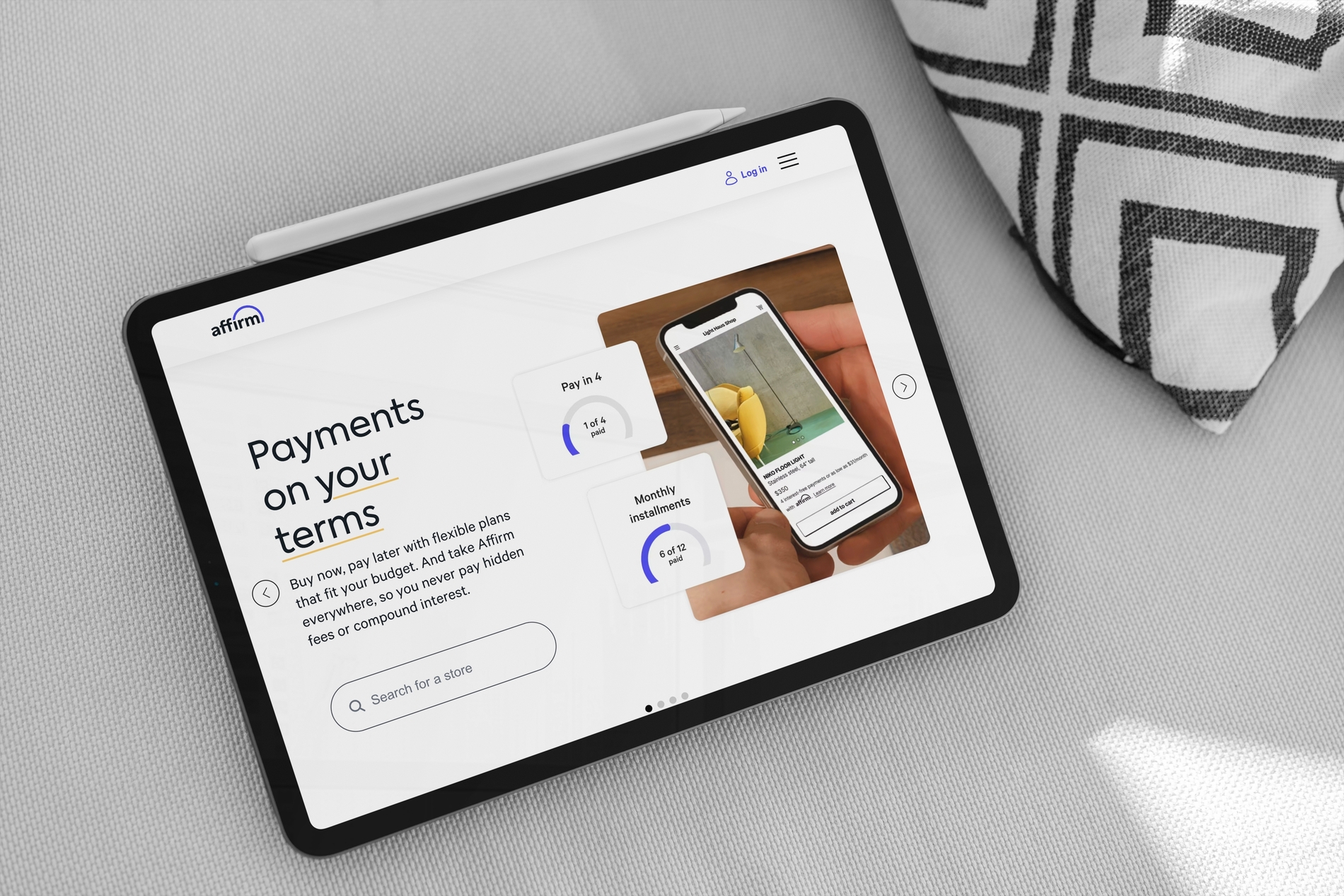
The rapid rise of buy‑now‑pay‑later services is reshaping the way people shop online. These platforms promise convenience, flexibility, and interest‑free payments, making them especially appealing to younger consumers and anyone looking to manage expenses more comfortably. Yet behind their friendly interfaces, these services can influence credit health in ways many users do not fully anticipate. As regulators and financial educators take a closer look, a clearer picture is emerging—one that highlights both the benefits and the responsibilities tied to this new form of digital financing.
Buy‑now‑pay‑later systems operate on a simple idea: split a purchase into smaller installments over a short period. For many shoppers, this model offers breathing room without the long‑term commitment of a traditional loan. It can help people access essential items, manage seasonal expenses, or avoid high‑interest credit cards. When used thoughtfully, these plans can support financial stability rather than undermine it.
However, the ease of approval and the absence of upfront interest can create a false sense of security. Users may accumulate multiple installment plans across different platforms, making it harder to track due dates and total spending. Missed or late payments can lead to fees, and in some cases, these delays are reported to credit bureaus. Even when payments are not directly reflected on a credit report, the consequences can still ripple into a person’s financial life.
One of the most significant concerns is the potential impact on credit utilization. Some buy‑now‑pay‑later providers run soft credit checks, while others may perform hard inquiries depending on the amount or the user’s history. A series of hard checks in a short period can temporarily lower a credit score. Additionally, if a provider eventually sends unpaid balances to collections, the negative mark can remain on a credit report for years.
Despite these risks, the industry is evolving toward greater transparency. Many platforms now offer dashboards that help users track upcoming payments, spending limits, and account activity. Some services are experimenting with optional credit‑building features, allowing users to report on‑time payments to credit bureaus as a way to strengthen their financial profile. These innovations reflect a broader effort to make installment plans safer and more predictable.
Financial educators emphasize that buy‑now‑pay‑later tools can be beneficial when used with intention. Setting reminders, limiting the number of active plans, and treating installments like any other financial commitment can help users stay in control. For many people, these services offer a practical way to manage cash flow without resorting to high‑interest debt.
The rise of buy‑now‑pay‑later reflects a shift toward more flexible, consumer‑friendly financial options. With thoughtful use and growing industry safeguards, these tools can support responsible spending while helping users maintain a healthy credit future.
