
Washington authorizes a major air defense deal as Ukraine faces growing missile threats and urgent questions over delivery timelines.
The United States has approved a proposed $2.1 billion sale of advanced Patriot interceptor missiles to Ukraine, marking a significant development in Kyiv’s efforts to strengthen its defenses against Russian attacks.
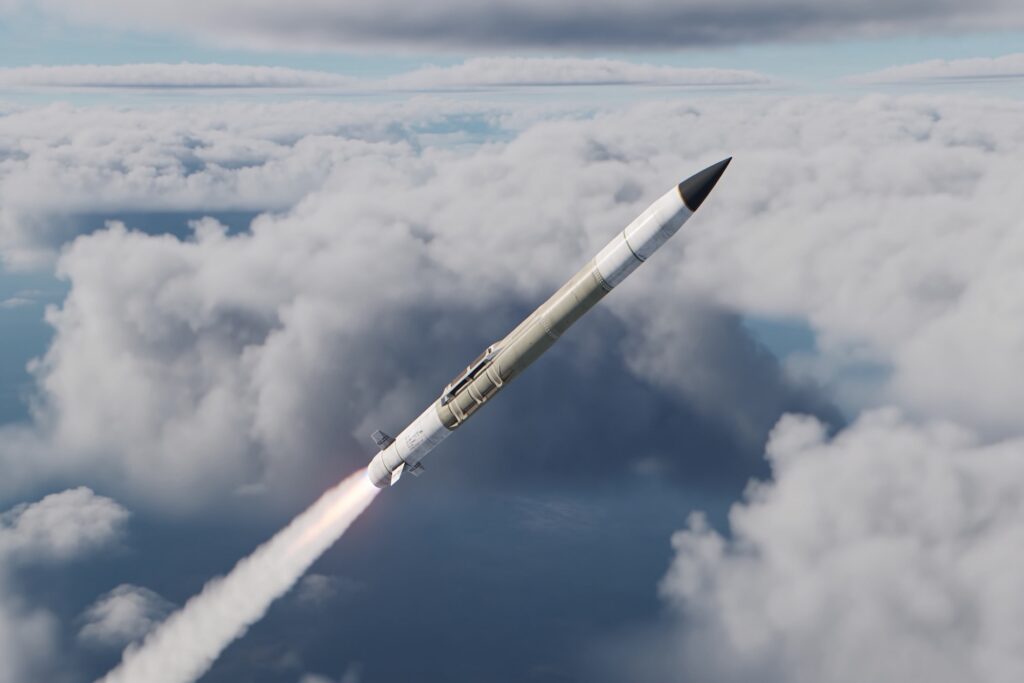
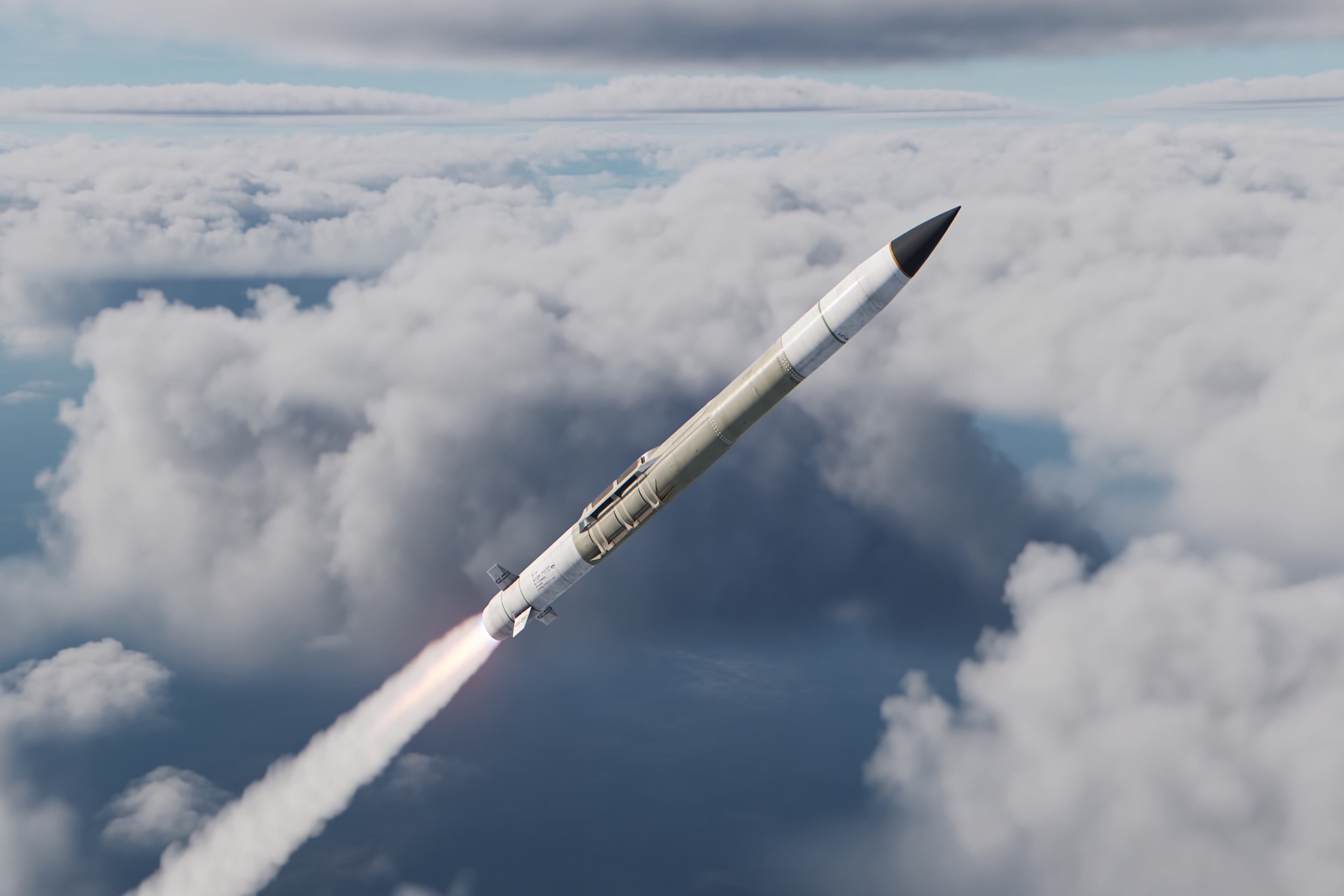
Announced on October 30, 2026, the package includes 500 Patriot Advanced Capability-3 Missile Segment Enhancement (PAC-3 MSE) interceptors.
The approval comes as Ukraine faces continued missile and drone attacks targeting cities, energy facilities, and essential infrastructure.
However, while the decision has been welcomed in Kyiv, concerns remain about how quickly the missiles can reach Ukrainian forces.
Washington Approves Major Defense Package
The U.S. State Department authorized the potential sale of 500 advanced Patriot interceptors, along with associated equipment and logistical support.
The missiles are designed to intercept incoming threats, particularly high-speed ballistic missiles that pose significant challenges to conventional air defense systems.
American defense contractor Lockheed Martin will serve as the principal contractor for the proposed deal.
The approval represents an important step in the U.S. Foreign Military Sales process, although it does not mean that the missiles have already been delivered or that a final contract has been completed. The State Department said the sale would strengthen Ukraine’s defensive capabilities and support European security.
European Allies Will Finance the Purchase
Unlike some earlier American military assistance packages, the proposed sale will not rely on direct U.S. government funding.
Canada, Germany, and Norway are expected to contribute through the U.S. JUMPSTART program, which allows partner countries to finance American defense equipment for Ukraine.
Additional financing will come from Ukrainian national funds supported by a European Union loan.
This arrangement allows Washington to authorize the transfer of advanced weapons while European partners provide much of the financial support. It also reflects the continuing role of international cooperation in maintaining Ukraine’s defensive capabilities.
Patriot Missiles Remain Essential to Ukraine’s Defense
Patriot air defense systems have become particularly important for Ukraine because of their ability to intercept Russian ballistic missiles.
Unlike slower drones, ballistic missiles travel at extremely high speeds and can be difficult to detect and destroy.
Ukraine has repeatedly warned that its supplies of advanced interceptors are running dangerously low.
As Russia continues targeting energy infrastructure and populated areas, Ukrainian officials have emphasized the importance of maintaining sufficient missile stocks.
Without adequate interceptors, air defense units may struggle to protect critical facilities and civilian communities.
Delivery Delays Raise Serious Concerns
Despite the announcement, Ukraine may have to wait several years before receiving the newly approved missiles.
According to Reuters, the interceptors have not yet been manufactured, and people familiar with the agreement indicated that deliveries might not begin until the 2030s.
The delay reflects growing international demand for Patriot missiles and pressure on American defense manufacturing capacity.
Ukraine has therefore requested an alternative arrangement that would allow existing missiles from American or allied stockpiles to be delivered sooner. Those inventories could then be replenished once newly manufactured interceptors become available. For Kyiv, the difference between approval and actual delivery is especially important as winter approaches.
Zelenskyy Calls for Faster Deliveries
Ukrainian President Volodymyr Zelenskyy welcomed the American decision but stressed that immediate protection remains his country’s priority.
He urged Washington and its European partners to find a way to provide missiles from existing inventories rather than waiting for future production.
Zelenskyy has repeatedly warned that Russian strikes against energy facilities could leave communities facing electricity and heating disruptions during winter.
His appeal highlights the gap between long-term military procurement and Ukraine’s immediate battlefield requirements. Although the proposed package could strengthen air defense capabilities over time, it does not automatically resolve current shortages.
Defense Production Faces Growing Pressure
The deal also draws attention to challenges facing the global defense industry.
Patriot interceptors are used by several American allies, and demand has increased because of conflicts in Europe and the Middle East.
Lockheed Martin has announced plans to expand manufacturing capacity, but producing advanced missile systems requires specialized equipment, materials, and trained workers.
Increasing production takes time, particularly when multiple governments are competing for limited supplies. These pressures have encouraged discussions about expanding defense manufacturing and improving cooperation between allied countries.
What Happens Next for Ukraine?
The proposed $2.1 billion package represents a substantial commitment to Ukraine’s long-term air defense needs.
However, its immediate impact will depend on whether Washington and its partners can accelerate deliveries. Ukrainian officials are continuing to seek missiles from existing stockpiles while negotiating future supplies. For the United States and European governments, the challenge is balancing Ukraine’s urgent requirements with their own defense readiness.
As Russian attacks continue, the decision highlights a central issue in modern warfare: approving military assistance is only the beginning, while delivering equipment when it is needed can be equally important. The coming months will reveal whether diplomatic cooperation and faster supply arrangements can turn the newly approved package into practical protection for Ukraine’s cities and infrastructure.
