
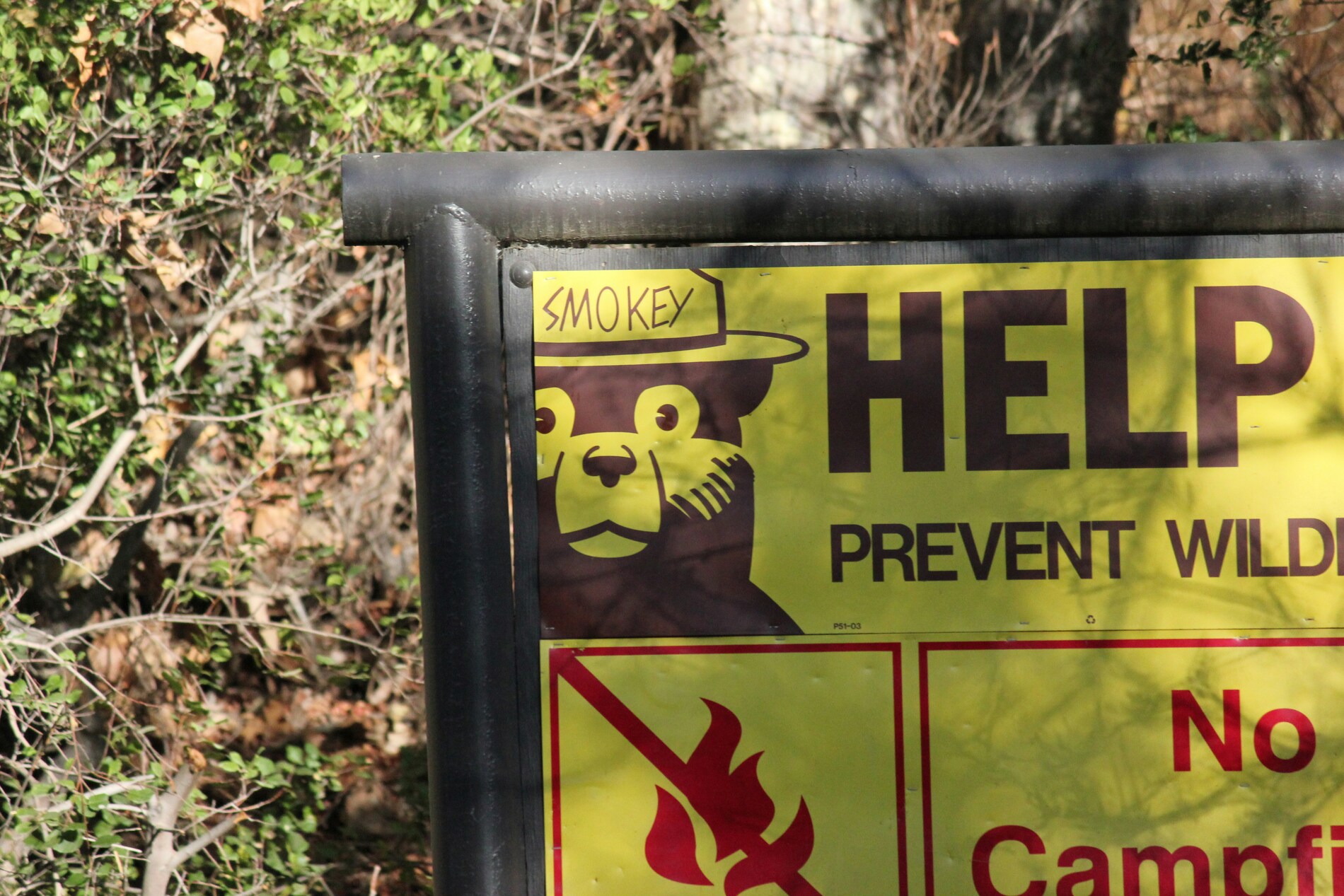
Artificial intelligence is emerging as one of the most promising tools in the global effort to prevent wildfires, offering new ways to detect risks before flames become uncontrollable. With climate change intensifying heat waves and droughts, early detection has become essential for protecting forests, communities, and biodiversity. Today, a combination of thermal sensors, satellite monitoring, and AI‑driven algorithms is transforming wildfire prevention into a faster, smarter, and more proactive system.
Across fire‑prone regions, thermal sensors are being deployed on towers, drones, and even autonomous vehicles to continuously scan large areas for abnormal temperature patterns. These sensors can identify small heat signatures that would be invisible to the human eye, allowing authorities to detect potential ignition points in their earliest stages. When paired with AI, the system becomes even more powerful. Algorithms analyze temperature fluctuations, wind conditions, humidity levels, and historical fire data to determine whether a detected hotspot represents a real threat.
This technology is already proving its value in countries such as Spain, the United States, and Australia, where early detection systems have helped reduce response times significantly. In many cases, firefighters are alerted within minutes of a temperature anomaly, enabling them to intervene before flames spread across dry vegetation. This rapid response not only protects natural ecosystems but also reduces the economic impact of large‑scale fires, which often require extensive resources to contain.
AI‑powered platforms are also improving prediction capabilities. By analyzing environmental data in real time, algorithms can forecast where fires are most likely to occur and how they might behave once ignited. These insights help emergency teams allocate resources more efficiently, plan evacuation routes, and strengthen prevention strategies. In some regions, predictive models are being integrated into public alert systems, giving communities more time to prepare and stay safe.
Drones equipped with thermal cameras are becoming another essential tool. They can fly over remote or difficult‑to‑access areas, capturing high‑resolution images that AI systems process instantly. This combination allows for continuous monitoring of forests, agricultural zones, and protected natural areas without the need for large patrol teams. In post‑fire scenarios, drones also help assess damage and identify areas at risk of reignition.
The positive impact of AI‑driven wildfire prevention extends beyond emergency response. By reducing the frequency and severity of fires, these technologies help preserve biodiversity, protect water sources, and maintain the health of ecosystems that are vital for climate stability. Communities benefit from cleaner air, safer environments, and reduced economic losses.
The integration of thermal sensors and AI marks a hopeful shift in environmental protection. As these systems continue to evolve, they offer a future where early detection becomes the norm, allowing societies to stay one step ahead of wildfires and safeguard the natural landscapes that sustain life.
