
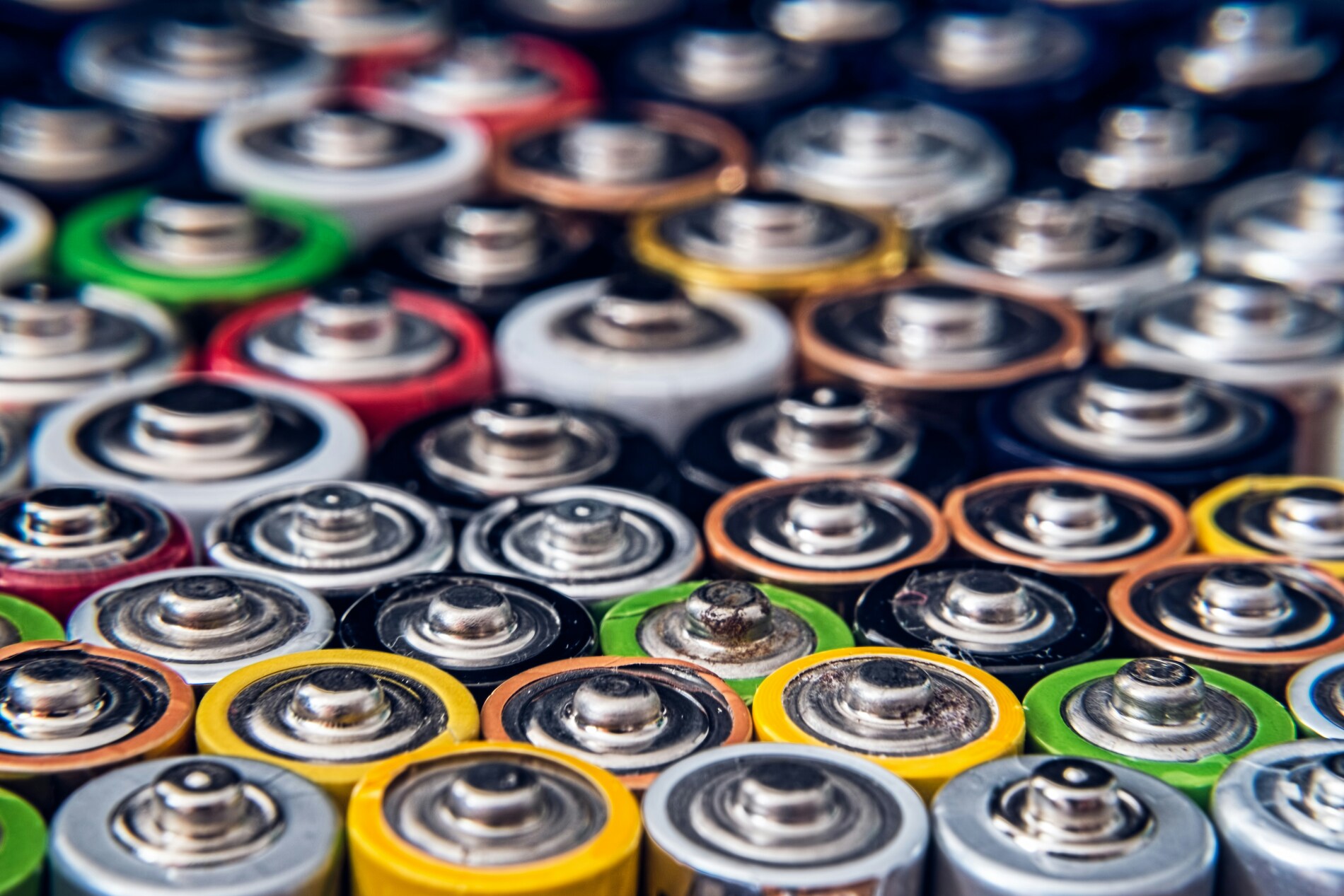
Salt‑based batteries are gaining global attention as one of the most promising alternatives to traditional lithium‑ion storage, offering a cleaner, safer, and more abundant solution for the world’s growing energy needs. As countries accelerate their transition to renewable power, the demand for efficient storage systems has surged. Salt batteries—built from widely available materials and designed with sustainability in mind—are quickly becoming a standout contender in this new energy landscape.
Unlike lithium‑ion batteries, which rely on scarce minerals and complex extraction processes, salt batteries use sodium, a resource found in seawater and abundant across the planet. This shift dramatically reduces environmental impact and lowers production costs, making large‑scale storage more accessible for communities, industries, and national grids. Researchers emphasize that the technology aligns perfectly with the global push toward cleaner supply chains and circular‑economy principles.
One of the most compelling advantages of salt batteries is their safety profile. They are non‑flammable and operate at lower risk of overheating, a key concern with conventional storage systems. This stability makes them ideal for residential installations, public buildings, and renewable‑energy farms where long‑term reliability is essential. Their ability to withstand extreme temperatures also opens the door to deployment in regions where lithium‑ion systems struggle to perform efficiently.
Performance is another area where salt batteries are showing strong potential. While they do not yet match lithium‑ion batteries in energy density, they excel in durability and lifespan. Many prototypes demonstrate thousands of charge cycles with minimal degradation, making them well‑suited for stationary storage applications such as solar and wind farms. Their long‑term consistency helps stabilize grids, store excess renewable energy, and ensure a steady supply during peak demand or cloudy, windless days.
Innovation in the sector is accelerating. Universities, startups, and major energy companies are investing in new chemistries and manufacturing techniques that enhance efficiency and reduce production costs. Some projects are exploring hybrid systems that combine salt batteries with other storage technologies to maximize flexibility and resilience. Early pilot installations in Europe, Asia, and Australia have delivered encouraging results, demonstrating that salt‑based storage can operate at scale while maintaining strong environmental performance.
The positive momentum surrounding salt batteries reflects a broader shift in how societies think about energy. As renewable power becomes more widespread, the need for sustainable storage solutions grows. Salt batteries offer a path forward that is not only technologically viable but also aligned with global sustainability goals.
With continued research and investment, salt‑based energy storage is poised to become a cornerstone of the clean‑energy transition. It represents a future where power systems are safer, greener, and built on materials that the planet can provide abundantly—an encouraging step toward a more resilient and sustainable world.
